


 Login / Sign Up

Blog

Why Is My Stomach Always Bloated? 10 Possible Causes
Have you ever started your day feeling fine, only to notice that your stomach feels heavy, tight, or unusually full by evening? If this happens often, you may be wondering, “Why is my stomach always bloated?”
Stomach bloating is common and can happen after a large meal, eating too quickly, or consuming certain foods. But when bloating keeps coming back, it may be linked to your digestion, eating habits, food intolerances, or an underlying health condition.
The good news is that occasional bloating is usually not a serious concern. However, frequent bloating deserves attention, especially when it comes with other symptoms.
What Is Stomach Bloating?
Stomach bloating is a feeling of fullness, pressure, tightness, or swelling in the abdomen. Some people may also notice that their stomach looks bigger than usual.
Bloating can happen when excess gas builds up in the digestive system. It can also be caused by slower digestion, constipation, changes in gut bacteria, or sensitivity to certain foods.
It is important to remember that bloating and belly fat are not the same thing. Bloating can change throughout the day, while body fat does not usually appear or disappear within a few hours.
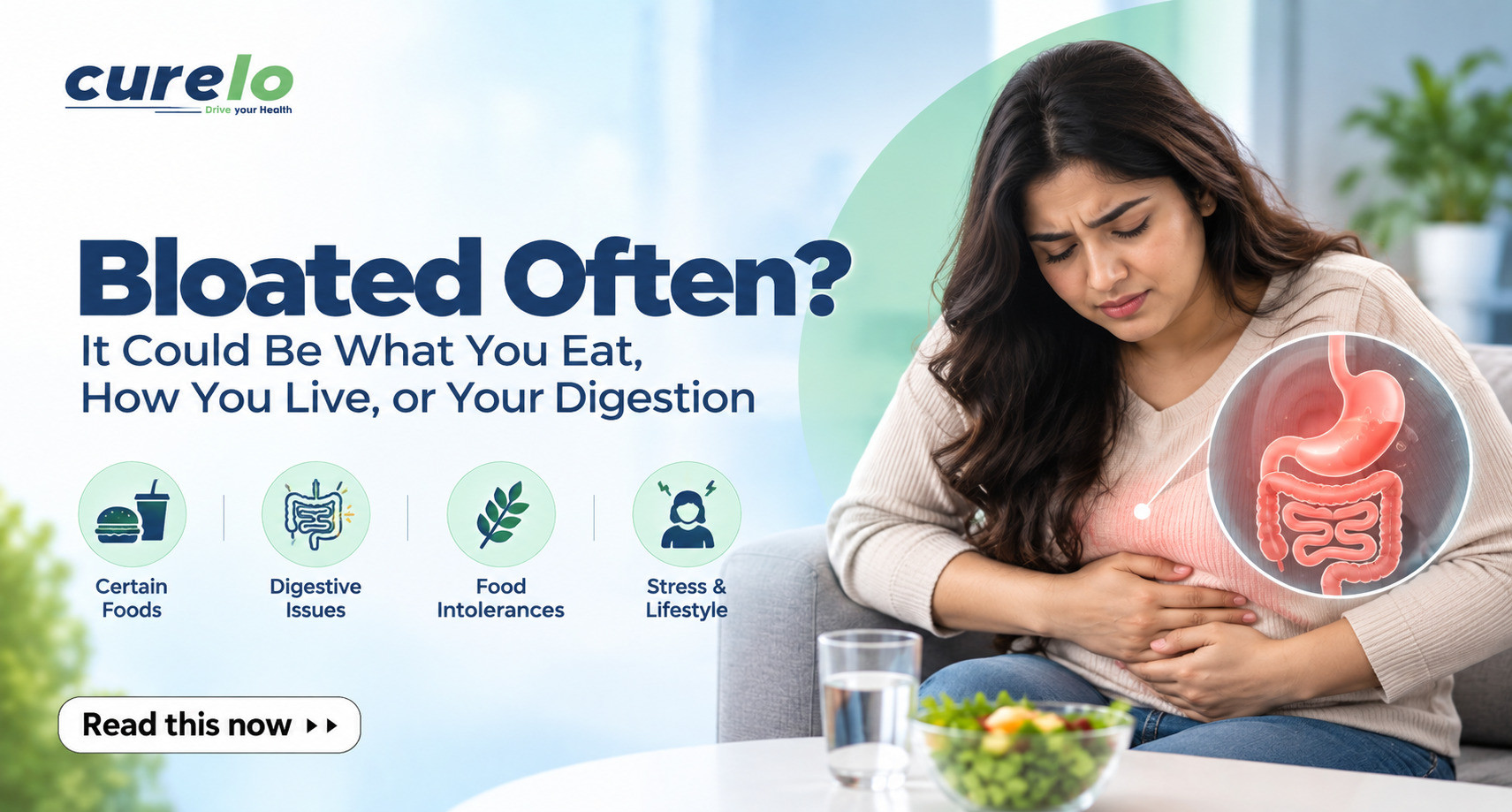
10 Possible Reasons for Bloated Stomach
If you face frequent bloating, here are some common reasons that may explain it.
1. Eating Too Quickly
Eating quickly can make you swallow more air along with your food. This extra air can contribute to gas and bloating.
When you eat in a hurry, you may also chew your food less thoroughly, which can make digestion feel uncomfortable.
Try slowing down during meals. Take smaller bites, chew your food properly, and avoid rushing through your meals whenever possible.
2. Eating Too Much
Even healthy food can cause stomach bloating if you eat more than your digestive system is comfortable handling at once.
Large meals can make your stomach feel stretched and full. You may experience heaviness, discomfort, or bloating after eating.
Instead of having very large meals, try eating moderate portions throughout the day. Eating slowly can also help you notice when you are comfortably full.
3. Certain Foods Can Increase Bloating
Some foods naturally produce more gas during digestion or may be difficult for certain people to tolerate.
Common examples include:
- Beans and lentils
- Cabbage and cauliflower
- Onions and garlic
- Carbonated drinks
- Some dairy products
- Foods containing artificial sweeteners
- Very fatty or fried foods
This does not mean you need to avoid these foods completely. The trigger can be different from person to person.
If you notice bloating after eating a particular food repeatedly, keep a simple food diary. Write down what you ate and how you felt afterward. This can help you identify patterns.
4. Constipation
Constipation is another common cause of stomach bloating.
When stool stays in the digestive tract for longer than usual, gas can become trapped and the abdomen may feel full or uncomfortable. You may also experience hard stools, fewer bowel movements, or difficulty passing stool.
Drinking enough water, eating enough fibre, and staying physically active can support regular bowel movements.
However, increase fibre gradually. A sudden increase in fibre can sometimes make gas and bloating worse.
5. Food Intolerance
Sometimes, your digestive system may have difficulty processing a particular food or ingredient.
Lactose intolerance is one common example. People with lactose intolerance have difficulty digesting lactose, the sugar found in milk and some dairy products. This may cause bloating, gas, abdominal discomfort, or diarrhoea after consuming dairy.
Other food intolerances can also cause digestive symptoms.
If you repeatedly experience bloating after eating a specific food, don't immediately remove multiple foods from your diet on your own. A doctor or dietitian can help determine whether testing or a structured elimination approach is appropriate.
Experiencing frequent bloating and unsure what could be causing it? Getting the right health information and discussing persistent symptoms with a healthcare professional can help you understand what is happening instead of simply guessing.
6. Irritable Bowel Syndrome (IBS)
Irritable bowel syndrome, or IBS, is a digestive condition that can cause recurring abdominal symptoms.
People with IBS may experience:
- Bloating
- Abdominal pain or cramps
- Gas
- Constipation
- Diarrhoea
- Changes in bowel habits
Symptoms can vary from person to person and may sometimes become worse after certain foods or during periods of stress.
If bloating happens regularly along with changes in your bowel movements or recurring abdominal pain, talk to a healthcare professional rather than assuming it is simply gas.
7. Drinking Too Many Fizzy Drinks
Your favourite soda or sparkling drink may be contributing to your bloated stomach.
Carbonated drinks contain gas, which can increase the amount of air in your digestive system. Some fizzy drinks also contain sweeteners that may trigger digestive symptoms in some people.
If you regularly feel bloated after drinking carbonated beverages, try reducing them for a while and see whether your symptoms change.
Replacing them with plain water can also help you stay hydrated without adding extra carbonation.
8. Changes in Gut Bacteria
Your digestive system contains trillions of microorganisms that play a role in digestion and overall gut function.
Changes in the balance of gut bacteria can sometimes be associated with gas and bloating. Diet, illness, medications, and other factors can influence the gut microbiome.
This is one reason why bloating can sometimes appear after a change in your usual diet or routine.
Rather than immediately taking supplements marketed for “gut health,” focus first on a balanced diet, adequate hydration, regular physical activity, and good eating habits. If symptoms continue, speak with a healthcare professional.
9. Stress and Anxiety
Your brain and digestive system are closely connected. This is often referred to as the gut-brain connection.
Stress can affect how quickly food moves through the digestive system and may make some digestive symptoms feel more noticeable. For some people, periods of stress can coincide with more bloating, gas, constipation, or diarrhoea.
If you notice that your bloating becomes worse during stressful periods, don't ignore the connection.
Regular movement, adequate sleep, relaxation techniques, and eating meals without rushing may help support better digestion.
10. An Underlying Health Condition
Sometimes, persistent bloating can be linked to an underlying medical condition.
Depending on the symptoms, possibilities can include conditions such as IBS, lactose intolerance, coeliac disease, small intestinal bacterial overgrowth (SIBO), or other gastrointestinal conditions.
Persistent bloating does not automatically mean that you have a serious disease. But if it keeps happening without an obvious reason, it is worth discussing with a healthcare professional.
They may ask about your diet, bowel habits, medications, other symptoms, and medical history. Depending on your symptoms, they may recommend tests to identify the underlying cause.
Simple ways to reduce stomach bloating
If your bloating is occasional and does not come with concerning symptoms, a few everyday habits may help:
- Eat slowly and chew your food well.
- Avoid very large meals.
- Drink enough water throughout the day.
- Limit carbonated drinks if they trigger symptoms.
- Stay physically active.
- Avoid foods that you have identified as personal triggers.
- Increase fibre gradually rather than suddenly.
- Try to maintain regular bowel habits.
- Manage stress and get adequate sleep.
- Keep a food and symptom diary if bloating happens frequently.
There is no single solution that works for everyone because the causes of stomach bloating can be different for different people.
If you want to keep track of your health and understand when a symptom may need more attention, platforms such as Curelo can help you explore diagnostic testing options and make informed healthcare decisions.
When Should You See a Doctor for Bloating?
Occasional bloating is usually not a reason to worry. But persistent or unexplained bloating should not simply be ignored.
Speak with a doctor if your bloating:
- Happens frequently or keeps getting worse
- Is accompanied by persistent abdominal pain
- Comes with unexplained weight loss
- Is associated with blood in your stool
- Comes with repeated vomiting
- Is accompanied by persistent diarrhoea or constipation
- Causes significant changes in your normal bowel habits
- Is associated with loss of appetite or feeling full very quickly
Seek urgent medical care if you experience severe abdominal pain, repeated vomiting, significant abdominal swelling, difficulty breathing, or other sudden and severe symptoms.
Conclusion
So, why is my stomach always bloated? There can be several answers.
Your eating habits, food choices, constipation, food intolerance, stress, IBS, and other digestive factors can all contribute to bloating. The key is to notice when it happens, identify possible triggers, and pay attention to other symptoms.
Occasional bloating may simply be part of normal digestion. But when it becomes frequent, persistent, or uncomfortable, understanding the cause is more important than simply treating the symptom.
Your gut often gives you clues. The important part is learning to listen to them.
FAQs
1. Why is my stomach always bloated?
Your stomach may feel bloated frequently because of eating too quickly, overeating, constipation, certain foods, food intolerance, carbonated drinks, IBS, stress, or changes in gut bacteria. In some cases, persistent bloating can be linked to an underlying digestive condition.
If your bloating keeps returning for weeks or is accompanied by pain, weight loss, vomiting, blood in stool, or major bowel changes, consult a doctor to identify the cause.
2. Why am I bloated after eating?
Bloating after eating can happen because you ate a large meal, ate too quickly, swallowed extra air, or consumed foods that trigger gas or digestive discomfort.
For some people, dairy products, beans, certain vegetables, fizzy drinks, or high-fat meals may cause bloating. Keeping a food diary can help you identify whether specific foods are linked to your symptoms.
3. How do I get rid of stomach bloating quickly?
For mild, occasional bloating, walking after a meal, drinking water, eating slowly, and avoiding additional large or fizzy meals may help. If constipation is contributing to the problem, improving hydration, movement, and gradually increasing fibre may help.
However, there is no universal “quick fix” because the best approach depends on the cause. If bloating happens regularly, finding and addressing the underlying trigger is more useful than repeatedly trying temporary remedies.
4. Is bloating every day normal?
Occasional bloating is common, but daily or persistent bloating should not simply be considered normal, especially if it is new, getting worse, or affecting your daily life.
Frequent bloating can have relatively simple causes such as diet or constipation, but it can also occur with food intolerance, IBS, or other digestive conditions. A healthcare professional can help determine what may be causing it.
5. What foods cause bloating?
Foods that may cause bloating include beans, lentils, cabbage, cauliflower, onions, garlic, dairy products in people with lactose intolerance, carbonated drinks, and some artificial sweeteners.
However, food triggers are highly individual. A food that causes bloating in one person may not cause any symptoms in another. Instead of avoiding large groups of foods unnecessarily, identify your personal triggers and discuss persistent symptoms with a professional.
Need Help In Booking a Lab Test?
Share Your Details, We Will Call You Right Back!


