


 Login / Sign Up


Blog

Egg Yolk and Cholesterol: How Many Eggs Can You Eat?
Overview
- Eggs contain dietary cholesterol, with most of it found in the egg yolk.
- Eating eggs does not necessarily increase blood cholesterol levels in everyone.
- Egg yolks provide essential nutrients such as vitamin D, vitamin B12, choline, and antioxidants.
- Most healthy adults can include one whole egg daily as part of a balanced diet.
- People with high cholesterol may need to limit egg yolks and include more egg whites, depending on medical advice.
- The way you prepare eggs matters. Boiled, poached, and lightly cooked eggs are healthier options than eggs prepared with excess butter or processed meats.
- A fibre-rich diet, regular exercise, and healthy lifestyle habits can help maintain cholesterol levels.
- A lipid profile test helps monitor total cholesterol, LDL, HDL, and triglycerides.
- Regular cholesterol monitoring and personalised dietary advice can help reduce the risk of heart-related problems.
Eggs are one of the most common breakfast foods. They are affordable, easy to prepare, and packed with important nutrients. Whether you enjoy boiled eggs, omelettes, scrambled eggs, or egg bhurji, they can be a healthy addition to your daily diet.
However, there is one question that often makes people think twice before eating eggs: Do egg yolks increase cholesterol?
Egg yolks contain dietary cholesterol, which has led many people to avoid them, especially those with high cholesterol or heart-related health concerns. But is avoiding egg yolks really necessary? And how many eggs can you safely eat in a day?
The relationship between eggs and cholesterol is not as simple as it may seem. While eggs contain cholesterol, their overall effect on your blood cholesterol levels also depends on your diet, lifestyle, genetics, and existing health conditions.
Understanding Cholesterol: Why Does It Matter?
Before discussing eggs and cholesterol, it is important to understand what cholesterol is and why your body needs it.
Cholesterol is a waxy, fat-like substance found in your blood. Your body naturally produces cholesterol because it is needed for several important functions, including:
- Building healthy cells.
- Producing certain hormones.
- Helping your body make vitamin D.
- Supporting digestion by producing bile acids.
However, having too much cholesterol in your blood can increase your risk of heart disease and stroke.
There are two main types of cholesterol:
LDL (Low-Density Lipoprotein)
LDL is commonly called bad cholesterol. High levels of LDL can cause cholesterol to build up inside your blood vessels. Over time, this buildup can narrow the arteries and increase the risk of heart-related problems.
HDL (High-Density Lipoprotein)
HDL is known as good cholesterol. It helps carry excess cholesterol from the blood back to the liver, where it can be processed and removed.
Apart from LDL and HDL, triglycerides are another type of fat found in your blood. High triglyceride levels, particularly when combined with high LDL or low HDL, can also increase cardiovascular risk.
Why should you monitor your cholesterol?
High cholesterol usually does not cause noticeable symptoms. You may feel completely healthy while your cholesterol levels are higher than recommended.
A lipid profile blood test can help you understand your total cholesterol, LDL, HDL, and triglyceride levels.
Do Eggs Increase Cholesterol?
This is one of the most commonly asked questions about eggs.
The short answer is that eggs contain dietary cholesterol, but eating eggs does not necessarily lead to high blood cholesterol in everyone.
A large egg contains approximately 186 mg of cholesterol, most of which is present in the yolk. This is why people often associate egg yolks with increased cholesterol levels.
However, your body regulates cholesterol naturally. When you consume more cholesterol through food, your liver may produce less of it. This means dietary cholesterol does not affect everyone in the same way.
Research suggests that, for most healthy people, moderate egg consumption can be included in a balanced diet without significantly increasing heart disease risk.
However, some people may experience a greater increase in LDL cholesterol after consuming dietary cholesterol.
Your overall eating habits also matter. A diet high in saturated fats, trans fats, processed foods, and fried foods can have a bigger impact on blood cholesterol levels than eating eggs alone.
Therefore, instead of completely blaming eggs, it is important to look at your overall diet and lifestyle.
Egg Yolk Cholesterol: Is the Yellow Part Unhealthy?
Many people eat only egg whites because they believe the yellow part is unhealthy.
But is egg yolk cholesterol really a reason to avoid it?
Not necessarily.
Egg yolks contain most of the cholesterol found in an egg, but they also provide several essential nutrients that your body needs.
Some important nutrients found in egg yolks include:
- Vitamin D: Supports bone health and helps the body absorb calcium.
- Vitamin B12: Helps maintain healthy nerve cells and red blood cells.
- Choline: Supports brain function and normal cell activity.
- Vitamin A: Helps maintain healthy vision and supports immunity.
- Lutein and Zeaxanthin: Antioxidants that support eye health.
- Selenium: Helps protect cells from oxidative damage.
Egg yolks also contain healthy fats and small amounts of other essential nutrients.
On the other hand, egg whites are rich in protein and contain very little fat or cholesterol.
So, should you eat whole eggs or only egg whites?
For most healthy people, eating whole eggs in moderation can be a nutritious choice. However, people with certain health conditions may need to limit their yolk consumption based on medical advice.
How Many Eggs a Day Is Safe?
There is no single number that works for everyone. The answer depends on your cholesterol levels, overall health, dietary habits, and risk of cardiovascular disease.
However, here are some general guidelines.
For Healthy Adults
For most healthy adults, eating one whole egg daily can fit into a balanced diet.
Some research suggests that moderate egg consumption, including up to one egg per day, is not associated with an increased risk of cardiovascular disease in generally healthy populations.
However, this does not mean everyone should eat eggs daily. Your overall diet and health profile still matter.
For People With High Cholesterol
If you already have high LDL cholesterol, you should be more mindful of how much dietary cholesterol you consume.
You may not need to completely stop eating eggs, but limiting egg yolks and choosing more egg whites may be helpful.
Your doctor or dietitian can recommend an appropriate intake based on your lipid profile and overall cardiovascular risk.
For People With Diabetes
People with diabetes may have a higher risk of developing cardiovascular disease.
Some studies have reported mixed findings about egg consumption and heart health in people with diabetes. Therefore, it is important to consider your overall diet, cholesterol levels, blood sugar control, and existing health conditions.
If you have diabetes, discuss your egg consumption with your healthcare professional.
For Older Adults
Eggs can be a convenient source of high-quality protein for older adults. They may help support muscle maintenance and provide essential nutrients.
However, older adults with high cholesterol or existing heart conditions should follow personalised dietary advice.
Can I Eat Eggs With High Cholesterol?
Yes, you may still be able to eat eggs if you have high cholesterol. However, the quantity and frequency should depend on your LDL levels, medical history, and overall heart health.
Having high cholesterol does not automatically mean you must remove eggs from your diet.
Here are a few things to keep in mind:
- Choose more egg whites: Egg whites provide protein without the cholesterol found in yolks.
- Limit egg yolks if advised: If your LDL cholesterol is high, your doctor may recommend reducing the number of yolks you consume.
- Avoid unhealthy combinations: Eating eggs with butter, processed cheese, bacon, or sausages can increase your intake of saturated fat and sodium.
- Include fibre-rich foods: Add oats, fruits, vegetables, beans, and whole grains to your meals.
- Monitor your cholesterol: Get regular lipid profile tests to understand how your dietary habits are affecting your cholesterol levels.
If you have familial hypercholesterolaemia (an inherited condition that causes very high cholesterol), diabetes, or an existing heart condition, you should be particularly careful about your dietary choices.
The American Heart Association also recommends paying attention to overall dietary patterns rather than focusing on one food alone.
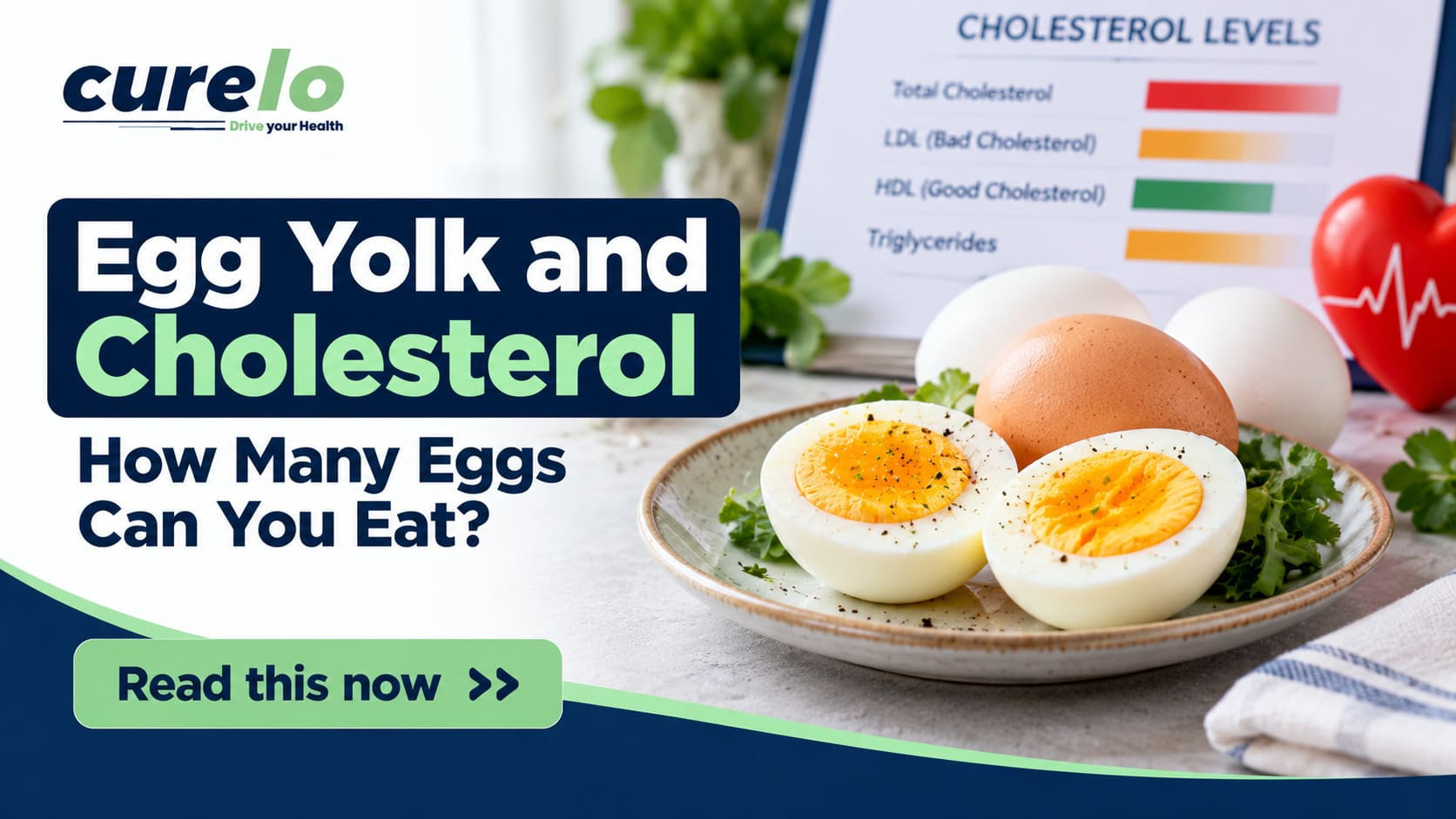
Healthy Ways to Include Eggs in Your Daily Diet
How you prepare eggs can make a difference to how healthy your meal is.
For example, a boiled egg with whole-wheat toast is a different nutritional choice from an omelette loaded with butter, cheese, and processed meat.
Here are some healthier ways to enjoy eggs:
1. Boiled Eggs
Boiled eggs are one of the simplest ways to include eggs in your diet. They do not require additional cooking oil or butter and provide good-quality protein.
2. Vegetable Omelette
Prepare an omelette using onions, tomatoes, spinach, capsicum, and other vegetables. Use a small amount of oil instead of butter.
3. Egg Bhurji
Egg bhurji can be a nutritious breakfast option when prepared with fresh vegetables and limited oil. Pair it with whole-wheat roti instead of refined bread.
4. Poached Eggs
Poached eggs are cooked in water without requiring additional oil. They are a good option if you want to keep your meal light.
5. Egg Whites With Vegetables
If you need to limit dietary cholesterol, egg whites can be a useful protein source. You can prepare an egg-white omelette with vegetables for a filling meal.
Other Lifestyle Habits That Help Maintain Healthy Cholesterol
While managing egg consumption is important, it is only one part of maintaining healthy cholesterol levels.
Your everyday food choices and lifestyle habits play an important role in heart health.
Here are some habits worth following:
- Eat more soluble fibre: Include oats, beans, lentils, apples, and fruits in your diet. Soluble fibre helps reduce LDL cholesterol.
- Choose healthy fats: Use nuts, seeds, olive oil, and other sources of unsaturated fats instead of foods high in saturated fats.
- Exercise regularly: Aim for at least 150 minutes of moderate-intensity physical activity per week, if your health permits.
- Avoid smoking: Smoking can lower HDL cholesterol and increase cardiovascular risk.
- Maintain a healthy weight: Managing excess weight can help improve cholesterol and triglyceride levels.
- Limit processed foods: Reduce your intake of fried snacks, packaged foods, processed meats, and foods high in trans fats.
Along with these habits, regular cholesterol testing can help you understand whether your lifestyle changes are making a difference.
When Should You Get Your Cholesterol Levels Checked?
High cholesterol often develops without noticeable symptoms. You may not experience any warning signs even when your LDL levels are high.
This is why regular testing is important.
A lipid profile test is commonly recommended to assess your cholesterol levels. It generally measures:
- Total Cholesterol: The overall amount of cholesterol in your blood.
- LDL Cholesterol: The type of cholesterol associated with plaque buildup in arteries.
- HDL Cholesterol: The type that helps remove excess cholesterol from the bloodstream.
- Triglycerides: Another type of fat that can affect your cardiovascular health.
Your doctor may recommend cholesterol testing based on your age, family history, existing medical conditions, and other risk factors.
If you already have high cholesterol, your doctor may suggest more frequent testing to monitor your progress and determine whether your treatment plan is working.
Remember, a healthy-looking body does not always mean your cholesterol levels are within the recommended range.
Conclusion
Eggs are nutritious and can be part of a healthy, balanced diet. Although egg yolks contain cholesterol, that does not mean you need to avoid them completely.
For most healthy adults, one whole egg a day can be a reasonable choice. However, if you have high cholesterol, diabetes, or an existing heart condition, your egg consumption should be based on personalised medical advice.
Instead of focusing only on eggs and cholesterol, pay attention to your overall diet, exercise regularly, and monitor your cholesterol levels.
Your heart health starts with informed food choices. Don't wait for symptoms to take the first step towards better health.
FAQs
1. Can I eat eggs every day if I have high cholesterol?
You may be able to eat eggs even if you have high cholesterol, but the quantity matters. Egg yolks contain dietary cholesterol, which may affect LDL levels in some people. If your cholesterol is already high, consider including more egg whites and limiting yolks if recommended by your doctor. Your overall diet, family history, and cardiovascular risk should guide your choices.
2. Does eating egg yolk increase LDL cholesterol?
Egg yolks contain dietary cholesterol, which can cause a small increase in LDL cholesterol in some people. However, the effect varies from person to person. Saturated and trans fats in foods such as butter, fatty meats, and processed foods can have a greater impact on blood cholesterol. Therefore, eating egg yolks occasionally as part of a balanced diet may be suitable for many people.
3. How many eggs a day is safe for a healthy person?
For most healthy adults, one whole egg per day can be included in a balanced diet. Eggs provide protein, vitamins, minerals, and other important nutrients. However, regularly eating several whole eggs every day may not be suitable for everyone. Your overall dietary pattern and health conditions should determine your intake.
4. Are egg whites better than whole eggs for cholesterol?
Egg whites are a good option for people who want protein without consuming additional dietary cholesterol. They contain protein but virtually no cholesterol or fat. However, whole eggs also provide important nutrients such as vitamin D, choline, and lutein, which are mostly found in the yolk. If you have high cholesterol, you can discuss the right balance of egg whites and whole eggs with your healthcare professional.
5. Can eating eggs cause heart disease?
Eating eggs in moderation does not automatically cause heart disease. For most healthy people, moderate egg consumption can be part of a heart-friendly diet. However, eating eggs alongside foods high in saturated fats, such as sausages, bacon, and butter, may increase cardiovascular risk. Your overall eating habits, cholesterol levels, physical activity, and medical history are important factors.
6. What is the best way to eat eggs for heart health?
Boiled, poached, and lightly cooked eggs are good options because they do not require large amounts of added fat. You can also prepare vegetable omelettes or egg bhurji using a small quantity of oil. Pair your eggs with whole grains, vegetables, and fruits. Avoid regularly combining them with processed meats, excess butter, and high-fat cheese.
Need Help In Booking a Lab Test?
Share Your Details, We Will Call You Right Back!


