


 Login / Sign Up


Blog

World Stroke Day (29 Oct): FAST Signs, Risk Factors, and Tests to Know Your Risk.
Overview
- What Is a Stroke?
- Common Stroke Symptoms and Warning Signs
- FAST Signs of Stroke: Face, Arms, Speech, and Time
- Major Risk Factors for Stroke
- Tests to Assess Your Stroke Risk
- How to Reduce Your Risk of Stroke
- Importance of World Stroke Day (29 October)
Every year, World Stroke Day is observed on 29 October to raise awareness about stroke, its warning signs, and the importance of timely medical care. A stroke can happen suddenly and affect a person's ability to speak, move, see, or think clearly. In some cases, it can even be life-threatening.
However, knowing the early stroke symptoms, understanding the risk factors, and getting the right health checks can help people take action sooner.
Many people believe that a stroke only affects older adults. In reality, it can happen at different ages, especially when health conditions such as high blood pressure, diabetes, and high cholesterol are not managed properly.
This World Stroke Day, let's understand the FAST signs of stroke, the major risk factors, and the tests that can help you understand your risk.
What Is a Stroke?
A stroke happens when the blood supply to a part of the brain is interrupted or when a blood vessel in the brain bursts. Brain cells need a continuous supply of oxygen and nutrients through the blood. When this supply is interrupted, brain cells can begin to get damaged within minutes.
There are two main types of stroke:
1. Ischemic stroke
This is the most common type of stroke. It occurs when a blood clot blocks a blood vessel supplying blood to the brain. The blockage prevents oxygen-rich blood from reaching the affected area.
2. Hemorrhagic stroke
This happens when a blood vessel in the brain ruptures, causing bleeding. The bleeding puts pressure on surrounding brain tissue and can damage brain cells.
Another condition is called a transient ischemic attack (TIA), sometimes known as a mini-stroke. It occurs when blood flow to the brain is temporarily blocked, and stroke-like symptoms appear for a short time.
Although TIA symptoms may disappear within minutes or hours, never ignore them. A TIA can be a warning of a future stroke and requires urgent medical assessment.
What Are the Common Stroke Symptoms?
Stroke symptoms often appear suddenly. The signs can vary depending on which part of the brain is affected, but recognising them early can help a person receive timely treatment.
Some common stroke symptoms include:
- Sudden weakness or numbness in the face, arm, or leg, especially on one side of the body.
- Difficulty speaking or understanding what others are saying.
- Sudden confusion or trouble finding the right words.
- Blurred vision, double vision, or sudden loss of vision in one or both eyes.
- Sudden difficulty walking, dizziness, or loss of balance.
- A sudden, severe headache with no clear cause, particularly if it occurs with other neurological symptoms.
These stroke warning signs may appear alone or together. A person does not need to experience every symptom to be having a stroke.
For example, someone may suddenly struggle to speak while another person may develop weakness in one arm. Both situations need immediate medical attention.
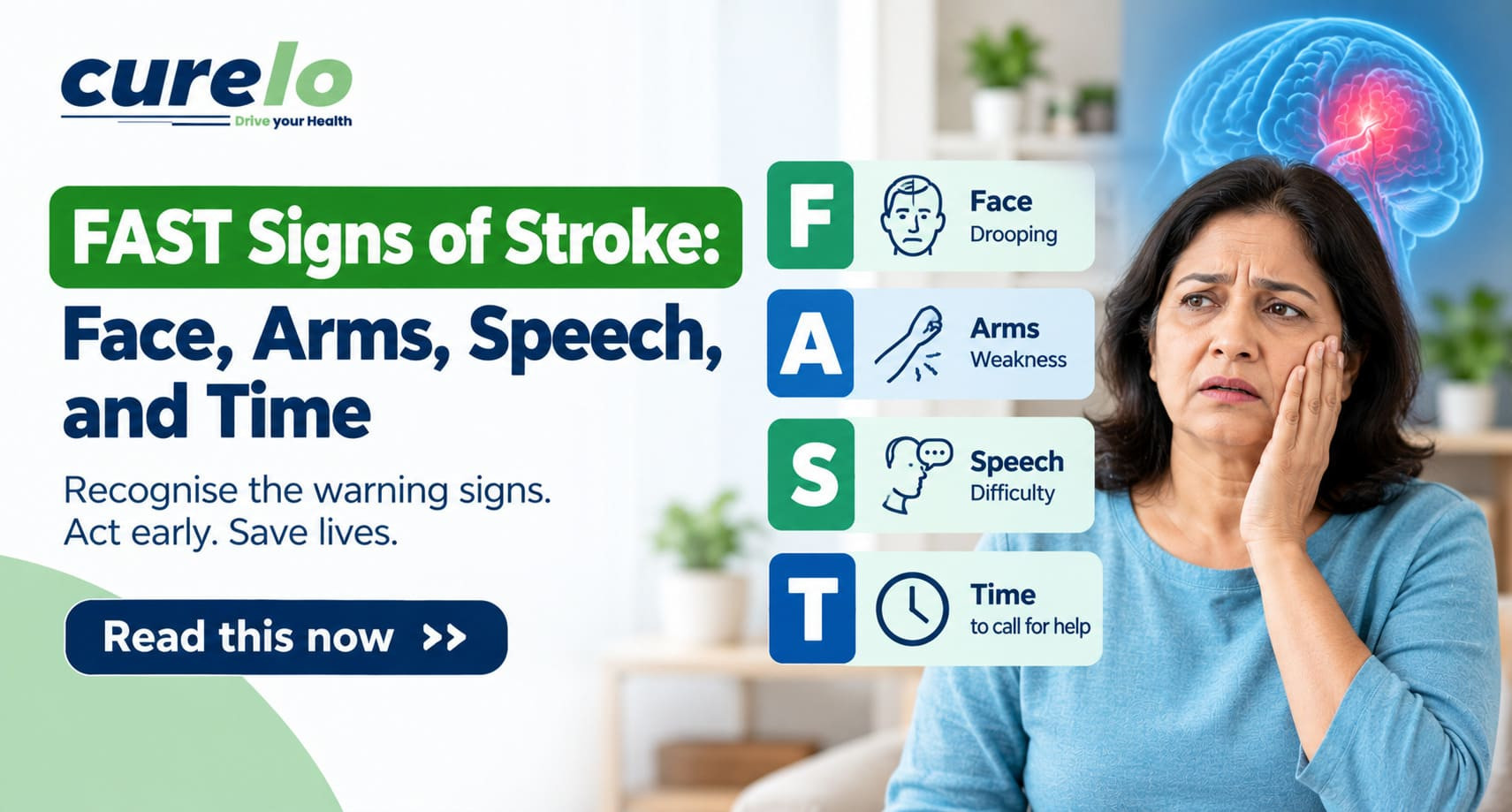
FAST Signs of Stroke: Remember These Four Steps
One of the easiest ways to recognise a possible stroke is to remember the FAST method. These FAST signs of stroke help people identify common warning signs and act quickly.
F – Face Drooping
Ask the person to smile. Does one side of their face appear uneven, or does one side droop?
Sudden facial weakness can be a warning sign of stroke.
A – Arm Weakness
Ask the person to raise both arms. Does one arm drift downward or feel unusually weak?
Sudden weakness or numbness in one arm, particularly on one side of the body, needs urgent attention.
S – Speech Difficulty
Ask the person to repeat a simple sentence. Is their speech slurred, unclear, or unusual? Are they struggling to understand or speak?
Sudden speech difficulties can indicate a stroke.
T – Time to Call for Help
If you notice any of these signs, call emergency services immediately. Note the time when the symptoms first appeared, or when the person was last known to be well.
This information can help doctors decide which treatments may be suitable.
Remember, FAST is a recognition tool, not a diagnostic test. Even if only one sign is present, do not delay seeking emergency care.
Other symptoms, such as sudden vision problems, severe unexplained headaches, or loss of balance, can also indicate a stroke even when the FAST signs are absent.
What Are the Major Risk Factors for Stroke?
Understanding the risk factors for stroke is an important part of prevention. Some risk factors cannot be changed, but many are linked to health conditions and daily habits that can be managed.
1. High Blood Pressure
High blood pressure is one of the most important risk factors for stroke. Over time, uncontrolled blood pressure can damage blood vessels and increase the risk of blockage or bleeding in the brain.
Regular blood pressure checks can help identify high readings, even when a person feels completely fine.
2. Diabetes
High blood sugar levels can damage blood vessels over time. People with diabetes may also have other stroke risk factors, such as high blood pressure and abnormal cholesterol levels.
Keeping blood sugar levels within the range recommended by a healthcare professional can help reduce long-term complications.
3. High Cholesterol
High levels of LDL cholesterol can contribute to plaque buildup in the arteries. This can narrow blood vessels and increase the risk of blood clots that may lead to a stroke.
A lipid profile can help measure cholesterol levels and support a doctor's assessment of cardiovascular risk.
4. Smoking and Tobacco Use
Smoking damages blood vessels and increases the risk of blood clots. Both smoking and other forms of tobacco use can contribute to stroke risk.
Quitting tobacco is an important step towards protecting blood vessel health.
5. Physical Inactivity and Unhealthy Eating Habits
Spending long hours sitting, getting little physical activity, and regularly eating foods high in salt or unhealthy fats can contribute to high blood pressure, diabetes, excess weight, and abnormal cholesterol levels.
Regular movement and a balanced diet can support better overall health.
6. Heart Conditions
Certain heart conditions, including atrial fibrillation (an irregular heartbeat), can increase the risk of blood clots forming in the heart. These clots may travel to the brain and cause an ischemic stroke.
People with known heart conditions should follow their doctor's advice on monitoring and treatment.
7. Age and Family History
The risk of stroke generally increases with age. A family history of stroke may also be relevant when assessing a person's overall risk.
However, having these risk factors does not mean a stroke is inevitable. Similarly, being young does not completely rule out the possibility of a stroke.
Which Tests Can Help You Understand Your Stroke Risk?
There is no single routine blood test that can tell you with certainty whether you will have a stroke. However, certain health checks can identify conditions associated with a higher risk.
The right tests depend on your age, medical history, symptoms, family history, and other risk factors.
1. Blood Pressure Test
A blood pressure test measures the force of blood against the walls of your arteries. It helps identify high blood pressure, which is a major risk factor for stroke.
Your doctor may recommend repeated readings or home monitoring if your blood pressure is high or varies between visits.
2. Blood Sugar Test
Blood tests such as fasting blood glucose and HbA1c can help assess your blood sugar levels.
- Fasting blood glucose: Measures blood sugar after fasting for the period recommended by your healthcare provider.
- HbA1c test: Estimates your average blood sugar level over approximately the past two to three months.
These tests can help identify diabetes or prediabetes, which may increase long-term cardiovascular risk.
3. Lipid Profile
A lipid profile measures cholesterol and triglyceride levels in the blood. It commonly includes total cholesterol, LDL cholesterol, HDL cholesterol, and triglycerides.
The results can help your doctor assess cardiovascular risk and decide whether lifestyle changes or treatment may be needed.
4. Kidney Function Tests
Kidney function tests, including creatinine and estimated glomerular filtration rate (eGFR), may be recommended when assessing overall cardiovascular health, especially in people with diabetes, high blood pressure, or known kidney disease.
Kidney problems can be associated with an increased risk of cardiovascular complications.
5. ECG and Other Heart Tests
An electrocardiogram (ECG) records the electrical activity of the heart. It may help identify an irregular heartbeat, including atrial fibrillation, which can increase the risk of stroke.
Depending on the person's medical history and findings, a doctor may recommend additional tests such as heart rhythm monitoring or an echocardiogram.
6. Brain and Blood Vessel Imaging
CT scans and MRI scans of the brain are commonly used when a stroke is suspected. They help doctors identify brain injury and distinguish between different types of stroke.
Tests such as carotid ultrasound or CT/MR angiography may be recommended in selected cases to assess blood vessels supplying the brain.
These are not routine screening tests for everyone. A doctor decides whether they are necessary based on symptoms and individual risk factors.
How Can You Reduce Your Risk of Stroke?
Although not every stroke can be prevented, managing known risk factors can help lower the chances of one occurring.
Here are some practical steps to support better health.
Keep Blood Pressure Under Control
Check your blood pressure regularly, especially if you have a family history of hypertension or have previously recorded high readings. Follow your doctor's advice on medicines, diet, and monitoring.
Manage Blood Sugar and Cholesterol
If you have diabetes, prediabetes, high cholesterol, or other relevant health conditions, follow your recommended monitoring schedule. Take prescribed medicines as directed and attend follow-up appointments.
Stay Physically Active
Aim for regular physical activity suited to your fitness level. Walking, cycling, swimming, or other activities can help support heart health and maintain a healthy weight.
If you have an existing medical condition, ask your doctor which activities are appropriate for you.
Eat a Balanced Diet
Include vegetables, fruits, whole grains, pulses, nuts, and other nutritious foods in your meals. Limit excess salt, highly processed foods, and foods high in unhealthy fats.
Small, consistent changes can be easier to maintain than sudden, restrictive diets.
Avoid Smoking and Limit Alcohol
Avoid tobacco in all forms. If you drink alcohol, discuss safe limits with your healthcare professional, as alcohol can affect blood pressure and other health conditions.
Do Not Ignore Follow-Up Tests
Regular health checks can help identify high blood pressure, abnormal cholesterol, and elevated blood sugar before serious complications develop.
The frequency of testing depends on your health status and risk factors. A healthcare professional can help you decide which tests are appropriate and how often you need them.
Why Is World Stroke Day Important?
World Stroke Day is an opportunity to remind people that stroke awareness is not just about knowing the symptoms. It is also about understanding risk factors, seeking timely care, and making informed decisions about long-term health.
Recognising the FAST signs of stroke can help people respond quickly when every minute matters. Regular health checks can also help identify conditions that increase stroke risk, allowing people to work with their healthcare providers on prevention.
This World Stroke Day, share the warning signs with your family and friends. Encourage loved ones to monitor their blood pressure, blood sugar, and cholesterol when appropriate.
FAQs
1. What are the first warning signs of a stroke?
The first warning signs of a stroke often appear suddenly. They may include one-sided facial drooping, weakness in an arm or leg, difficulty speaking, confusion, sudden vision changes, dizziness, loss of balance, or a severe unexplained headache.
The FAST method helps identify common signs: Face drooping, Arm weakness, Speech difficulty, and Time to call for emergency help. Not everyone experiences all these symptoms.
If you notice even one possible stroke warning sign, seek emergency medical assistance immediately. Do not wait to see whether it goes away, even if the person feels better after a few minutes.
2. What are the FAST signs of stroke?
FAST stands for Face, Arms, Speech, and Time.
- Face: Check whether one side of the face droops when the person smiles.
- Arms: Ask the person to raise both arms and check whether one arm drifts downward.
- Speech: Ask them to repeat a simple sentence and notice whether their speech sounds slurred or unusual.
- Time: Call emergency services immediately if any of these signs appear.
FAST is a simple way to recognise common stroke symptoms. However, a stroke can also cause sudden vision changes, severe headaches, or balance problems without the classic FAST signs. Any sudden symptoms that suggest a stroke need urgent assessment.
3. Can a stroke happen at a young age?
Yes, a stroke can happen in younger adults, although the risk generally increases with age. Certain medical conditions, including high blood pressure, diabetes, heart rhythm disorders, and some blood clotting conditions, can increase stroke risk in younger people.
Smoking, tobacco use, and other lifestyle-related risk factors may also contribute. In some cases, a stroke occurs without an obvious risk factor.
Being young or physically active does not completely rule out a stroke. Knowing the warning signs and seeking emergency care when symptoms appear are important at every age.
4. Which tests should I get to check my stroke risk?
There is no single test that can accurately predict whether you will have a stroke. Depending on your medical history and risk factors, a healthcare professional may recommend:
- Blood pressure measurement.
- Fasting blood glucose or HbA1c testing.
- A lipid profile to check cholesterol and triglycerides.
- Kidney function tests when clinically appropriate.
- An ECG or other heart tests if a heart rhythm problem is suspected.
Brain scans and blood vessel imaging may be required when stroke is suspected or in selected clinical situations. They are not necessary for everyone as routine screening.
Your doctor can help you decide which tests you need and how frequently they should be repeated.
5. Can high blood pressure cause a stroke?
Yes. High blood pressure is one of the leading risk factors for stroke. Over time, it can damage blood vessel walls, increase the risk of a blood vessel bursting, and contribute to conditions that cause blood clots or blocked arteries.
High blood pressure often has no noticeable symptoms, which is why regular measurement is important. A person may feel completely healthy while their blood pressure remains elevated.
If your readings are high, consult a healthcare professional about monitoring, lifestyle changes, and treatment if needed. Do not start or stop blood pressure medication without medical advice.
6. Can a stroke be prevented?
Not every stroke can be prevented, but managing risk factors can lower the likelihood of one occurring. Helpful steps include controlling blood pressure, managing diabetes and cholesterol, staying physically active, eating a balanced diet, avoiding tobacco, and following treatment for heart conditions.
Regular health checks can help identify some risk factors before complications develop. The type and frequency of testing should be based on your individual health needs.
Need Help In Booking a Lab Test?
Share Your Details, We Will Call You Right Back!


