


 Login / Sign Up

Blog

10 Highest-Protein Foods for Muscle Growth: Protein Content per 100g
Building muscle is not just about lifting heavy weights. What you eat plays an equally important role. Your muscles need enough protein to repair and grow after exercise, which is why adding the right high-protein foods to your daily diet is essential.
But with so many options available, you may wonder: Which foods contain the most protein? Are eggs enough? Is chicken the best option? And what if you follow a vegetarian diet?
The good news is that there are plenty of foods high in protein that can support your muscle-building goals. From chicken and eggs to paneer, lentils and Greek yogurt, you can choose foods based on your diet, preferences and daily protein needs.
Why Is Protein Important for Muscle Growth?
When you exercise, especially during strength training, your muscles experience small amounts of damage. Your body then repairs these muscle fibres, helping them become stronger over time.
Protein provides amino acids, which are often called the building blocks of muscle. Getting enough protein through your diet can support:
- Muscle repair after exercise
- Muscle growth and maintenance
- Better recovery from workouts
- Improved strength training results
- Reduced muscle loss during weight loss
However, simply eating large amounts of protein will not automatically build muscle. You also need regular resistance training, enough calories, proper sleep and a balanced diet.
That said, including high-protein foods for muscle gain throughout the day can make it easier to meet your body's protein requirements.
How Much Protein Do You Need for Muscle Gain?
Your protein needs depend on factors such as your body weight, activity level, workout routine, and overall goals.
People who regularly perform resistance or strength training generally need more protein than someone who is not physically active. Instead of trying to eat all your protein in one meal, it can be helpful to spread protein-rich foods across breakfast, lunch, dinner and snacks.
For example, you can include eggs or Greek yogurt at breakfast, chicken or dal at lunch, and paneer, fish, or tofu at dinner.
If you are unsure whether your diet is meeting your nutritional needs, speaking with a qualified healthcare professional or nutrition expert can help you create a plan based on your individual goals.
10 Highest-Protein Foods for Muscle Growth
Here are some of the best high-protein foods you can include in your diet. The protein values below are approximate and can vary depending on the type of food, brand and cooking method.
1. Chicken Breast – Around 31g Protein per 100g
Chicken breast is one of the most popular high-protein foods for muscle gain. It provides a high amount of protein while being relatively low in fat, especially when eaten without the skin.
It is also easy to add to different meals. You can grill it, bake it, add it to salads, prepare a curry or combine it with rice and vegetables.
Chicken contains complete protein, meaning it provides all the essential amino acids your body needs from food.
Best for: Lunch, dinner or a post-workout meal.
Simple tip: Avoid adding too much cream, butter or oil if you want a leaner high-protein meal.
2. Tuna – Around 29g Protein per 100g
Tuna is another excellent choice among foods high in protein. It is especially popular because it is convenient and can be used in sandwiches, salads and quick meals.
Along with protein, fish can provide important nutrients such as vitamin B12 and selenium. Depending on the type, it may also contain healthy fats.
If you eat canned tuna, choose options that fit your overall dietary needs and pay attention to serving sizes and sodium content.
Best for: Quick meals, salads and sandwiches.
3. Eggs – Around 13g Protein per 100g
Eggs may not have the highest protein number per 100g compared with chicken or fish, but they remain one of the most useful and affordable protein-rich foods.
They provide high-quality protein and contain all essential amino acids. Eggs are also incredibly versatile. You can have boiled eggs, an omelette, scrambled eggs or add them to other meals.
For people trying to build muscle, eggs can be an easy way to increase protein intake, particularly at breakfast.
Best for: Breakfast, snacks or post-workout meals.
Simple tip: If you need more protein in a meal, combine eggs with Greek yogurt, milk or another protein-rich food.
4. Lean Beef – Around 26g Protein per 100g
Lean beef is among the highest protein foods and can be useful for people looking to gain muscle. It provides complete protein along with nutrients such as iron, zinc and vitamin B12.
Iron is particularly important because it supports oxygen transport in the body. Zinc also plays several important roles in normal body functions.
Choose leaner cuts when possible and avoid making highly processed meat your main source of protein.
Best for: Lunch or dinner.
5. Paneer – Around 18g Protein per 100g
Paneer is one of the most popular vegetarian high-protein foods in India. It can be a convenient option for people who do not eat meat or fish.
The exact protein content can vary depending on the type and brand of paneer. Paneer also contains fat, so portion size may matter depending on your overall calorie goals.
You can use paneer in curries, salads, wraps or grilled dishes.
Best for: Vegetarian lunches, dinners and snacks.
Simple tip: Pair paneer with vegetables and whole grains to create a more balanced meal.
6. Greek Yogurt – Around 10g Protein per 100g
Greek yogurt is a simple and convenient protein-rich food that works well at breakfast or as a snack. It is generally thicker and higher in protein than regular yogurt.
It can be eaten plain or combined with fruits, nuts and seeds. If you are choosing packaged Greek yogurt, check the nutrition label because protein and added sugar levels can vary between products.
Greek yogurt is also easy to carry as a snack, making it useful for busy days when preparing a full meal is difficult.
Best for: Breakfast, snacks, or after a workout.
Building a muscle-friendly diet starts with understanding what your body needs. Along with eating more high-protein foods, keeping track of your overall health and nutritional status can help you make more informed choices. With Curelo, you can compare, choose, and book diagnostic tests from trusted partner labs based on your preferences.
7. Tofu – Around 15g Protein per 100g
Tofu is a popular plant-based protein made from soybeans. It is a useful option for vegetarians, vegans, and anyone who wants more variety in their diet.
Soy is considered a complete protein source because it provides all essential amino acids. Tofu is also easy to use because it absorbs the flavours of spices and sauces.
You can stir-fry tofu, add it to curries, grill it, or use it in wraps and salads.
Best for: Vegetarian and plant-based meals.
8. Lentils – Around 9g Protein per 100g Cooked
Lentils, or dal, are a regular part of many Indian meals and can contribute significantly to daily protein intake.
The protein content depends on whether you measure lentils dry or cooked. Cooked lentils contain a lower protein amount per 100g because they absorb water during cooking.
Apart from protein, lentils provide fibre, which can support digestive health and help make meals more filling.
For better overall protein intake, combine dal with other protein sources throughout the day. You can also pair lentils with grains as part of a balanced diet.
Best for: Everyday vegetarian meals.
9. Chickpeas – Around 8–9 g protein per 100 g cooked
Chickpeas, also known as chana, are another excellent plant-based option among foods high in protein.
They can be used in curries, salads, chaat, and snacks. Along with protein, chickpeas contain fibre and several important nutrients.
Like lentils, chickpeas do not provide as much protein per 100g as lean meat, but they can still contribute meaningfully to your daily intake.
Try combining chickpeas with other protein-rich foods during the day instead of depending on just one food source.
Best for: Vegetarian meals, salads and snacks.
10. Salmon – Around 20–25g Protein per 100g
Salmon is a high-quality source of complete protein and also provides omega-3 fatty acids. It can be a valuable addition to a muscle-building diet, especially for people who eat fish.
The exact protein content varies depending on the type of salmon and how it is prepared.
Grilling, baking, or air-frying can be simple ways to prepare salmon without adding excessive oil.
Best for: Lunch or dinner.
Which Is the Best Protein Food for Muscle Gain?
There is no single "best" food for everyone.
Chicken breast and lean meat are among the highest protein foods per 100g, while eggs are convenient and affordable. Fish provides protein along with other nutrients, and vegetarian options such as paneer, tofu, lentils and chickpeas can also help you meet your daily protein needs.
The best approach is usually to eat a variety of protein sources rather than relying on only one food.
For example:
- Breakfast: Eggs with Greek yogurt
- Lunch: Chicken with rice and vegetables
- Snack: Greek yogurt with nuts
- Dinner: Paneer, tofu or fish with vegetables
- Vegetarian option: Dal, paneer, tofu and chickpeas spread across different meals
This can help you increase your total protein intake while also getting a wider range of nutrients.
How to Add More High-Protein Foods to Your Diet
You do not necessarily need a complicated diet plan to eat more protein. Small changes can make a difference.
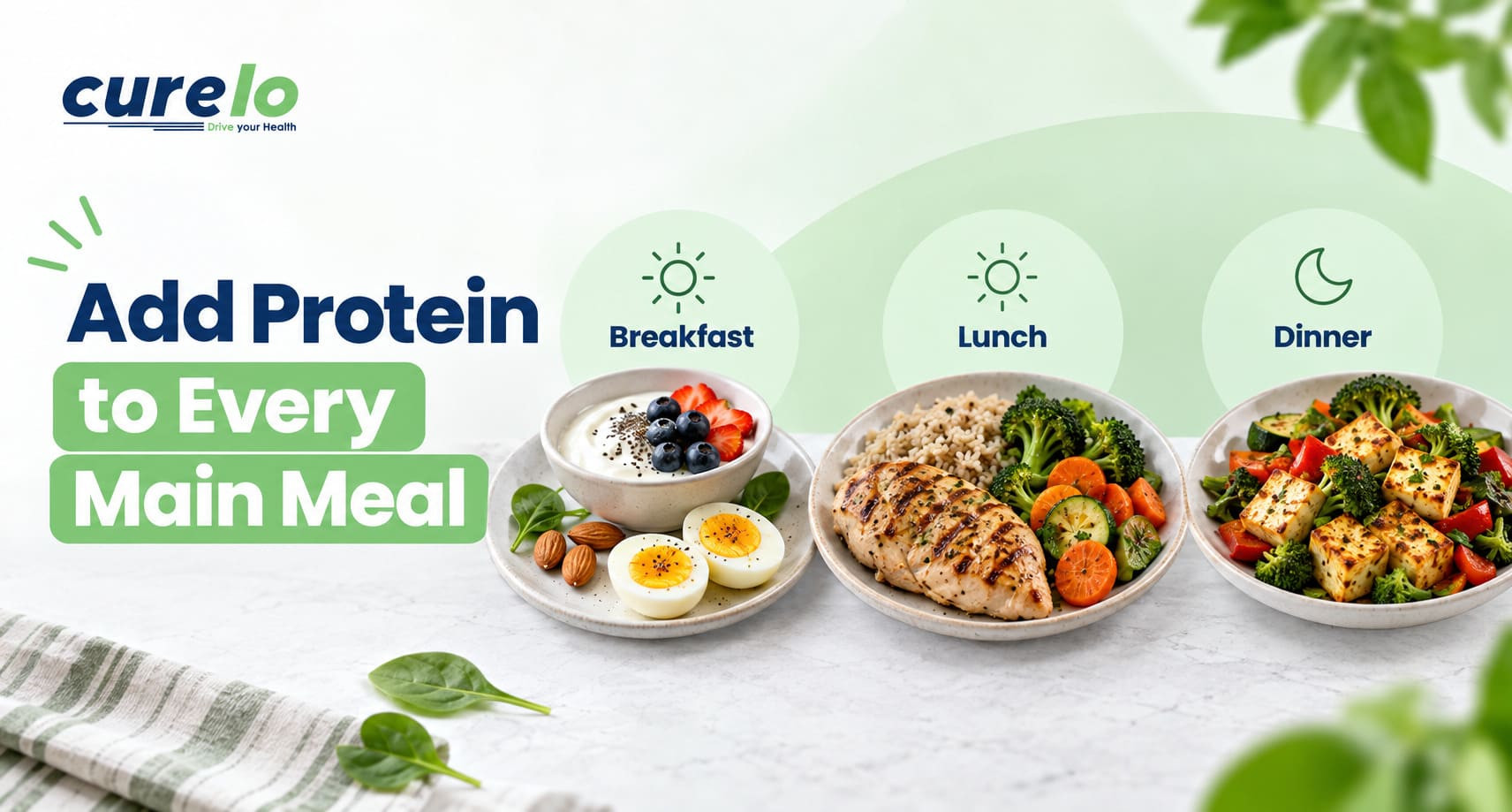
Add Protein to Every Main Meal
Instead of eating meals mainly based on rice, roti or other carbohydrates, make sure there is also a good protein source on your plate.
For example, add:
- Eggs to breakfast
- Dal, paneer or chicken to lunch
- Greek yogurt as a snack
- Fish, tofu or lean meat to dinner
Choose Whole Foods More Often
Protein powders can be convenient, but whole high-protein foods should also form an important part of your diet.
Whole foods provide other nutrients as well, including vitamins, minerals, healthy fats and fibre.
Spread Your Protein Throughout the Day
Eating all your protein in one meal may not be the most practical approach. Try including protein across your meals and snacks.
This can also make it easier to reach your total daily intake.
Do Not Forget Carbohydrates and Healthy Fats
Muscle growth does not depend on protein alone. Your body also needs enough energy from carbohydrates and fats.
Carbohydrates can support your workouts by providing energy, while healthy fats are important for several normal body functions.
A balanced diet is usually more sustainable than eating only protein-rich foods.
Common Mistakes People Make When Trying to Eat More Protein
Eating Too Much Protein and Ignoring Everything Else
More protein is not always better. Your body still needs carbohydrates, fats, fibre and micronutrients.
Depending Only on Supplements
Protein supplements can be convenient, but they should not completely replace a varied diet.
Ignoring Total Calories
If your goal is muscle gain, your total energy intake also matters. You need enough calories to support your training and recovery.
Not Training Properly
Eating high-protein foods for muscle gain without resistance training is unlikely to give you the results you expect.
Progressive strength training, proper technique, and consistency are essential for muscle growth.
Conclusion
Adding the right high-protein foods to your diet can support muscle repair, recovery and growth. Chicken breast, tuna and lean beef are among the options with the highest protein content per 100g, while eggs, paneer, tofu, Greek yogurt, lentils and chickpeas offer useful alternatives.
The key is not to search for one magic food. Instead, focus on eating a variety of foods high in protein, meeting your overall nutritional needs and following a consistent strength-training routine.
Remember, muscle growth takes time. A balanced diet, enough protein, regular exercise, proper recovery, and good sleep all work together.
FAQs
1. Which food has the highest protein per 100g?
Among commonly eaten whole foods, chicken breast is one of the foods with the highest protein content, providing around 31g of protein per 100g. Tuna and lean beef are also high-protein options, generally providing around 26–29g per 100g. However, the exact amount can vary based on the type of food and whether it is measured raw or cooked.
2. What are the best high-protein foods for muscle gain?
Some of the best high-protein foods for muscle gain include chicken breast, eggs, fish, lean meat, Greek yogurt, paneer, and tofu. Vegetarian options such as lentils and chickpeas can also contribute to your daily protein intake. The best choice depends on your diet, preferences, calorie needs, and how much protein you need overall.
3. How much protein should I eat daily to build muscle?
The amount of protein you need depends on factors such as your body weight, training routine, and fitness goals. People who do regular resistance training generally require more protein than those who are less active. A nutrition professional can help determine an appropriate intake for your individual needs. It is also helpful to spread protein intake across different meals rather than trying to consume it all at once.
4. Are eggs good for building muscle?
Yes, eggs can be a useful part of a muscle-building diet. They provide high-quality protein and all essential amino acids. Although eggs contain less protein per 100g than chicken breast, they are affordable, easy to prepare and convenient to include in different meals. You can combine eggs with other protein-rich foods to increase the protein content of a meal.
5. Is paneer good for muscle gain?
Yes, paneer can be a good protein source for people following a vegetarian diet. It provides approximately 18g of protein per 100g, although this can vary. Since paneer can also contain a significant amount of fat and calories, your portion size should depend on your overall diet and goals. Pairing paneer with vegetables and other balanced foods can make it part of a nutritious meal.
6. Which vegetarian food has the most protein?
Among common vegetarian options, foods such as paneer, tofu and Greek yogurt are good protein sources. Soy-based foods are particularly useful because soy provides complete protein. Lentils, chickpeas, beans and other legumes also contribute protein, although their protein content per serving may be lower than some animal-based foods. Eating a variety of vegetarian protein sources can make it easier to meet your daily needs.
7. Can I build muscle without protein powder?
Yes, you can build muscle without protein powder. Protein powder is simply a convenient way to increase protein intake. You can get enough protein from whole foods such as eggs, chicken, fish, paneer, tofu, dairy products, lentils and beans. What matters most is meeting your overall protein and energy needs while following a consistent strength-training routine.
8. Should I eat protein before or after a workout for muscle growth?
Protein can be useful both before and after exercise. What matters most for most people is getting enough protein over the entire day. Having a protein-rich meal or snack reasonably close to your workout can be a convenient way to support recovery, but you do not need to worry about consuming protein within a few minutes of finishing your exercise. Focus on consistency and your total daily diet.
Need Help In Booking a Lab Test?
Share Your Details, We Will Call You Right Back!


