


 Login / Sign Up


Blog

Normal Blood Sugar Level Chart: Fasting, After Meals, and HbA1c by Age
Overview
- A normal fasting blood sugar level for most non-pregnant adults is 70–99 mg/dL.
- A fasting blood sugar level of 100–125 mg/dL falls in the prediabetes range, while 126 mg/dL or higher falls in the diabetes range.
- A normal blood sugar level two hours after an oral glucose tolerance test is below 140 mg/dL.
- For people with diabetes, a commonly recommended post-meal target is below 180 mg/dL, one to two hours after starting a meal.
- The normal HbA1c range is below 5.7%. An HbA1c of 5.7–6.4% indicates prediabetes, while 6.5% or higher falls in the diabetes range.
- The normal blood sugar level by age generally follows the same diagnostic ranges for non-pregnant adults, although diabetes treatment targets may vary with age and overall health.
- Blood sugar levels can change due to diet, physical activity, stress, sleep, illness, and certain medicines.
- Common symptoms of high blood sugar include increased thirst, frequent urination, tiredness, and blurred vision.
- Eating balanced meals, exercising regularly, sleeping well, and following medical advice can help maintain healthy blood sugar levels.
- Regular blood sugar testing and timely medical consultation can help identify potential problems early.
- Curelo helps users compare available diagnostic labs and testing options to make informed healthcare decisions.
Blood sugar levels are an important part of your overall health. Whether you are checking your glucose levels during a routine health checkup or managing diabetes, understanding your results can help you make better health decisions.
But what is a normal blood sugar level? Should your blood sugar be the same before and after meals? Does the normal range change with age? And what does an HbA1c test tell you about your health?
Blood sugar levels can change throughout the day depending on your meals, physical activity, sleep, stress, and certain medicines. This is why it is important to understand the difference between fasting blood sugar, post-meal blood sugar, and HbA1c.
What Is a Normal Blood Sugar Level?
Blood sugar, also called blood glucose, is the amount of glucose present in your blood. Glucose is the body's main source of energy. It mainly comes from the carbohydrates you eat, such as rice, roti, bread, fruits, and other foods.
The hormone insulin helps glucose move from your blood into your body's cells. When the body does not produce enough insulin or cannot use it properly, blood sugar levels may become too high.
A normal blood sugar level depends on when you test it. For example, your fasting glucose level is measured after not eating overnight, while your post-meal level is checked after eating.
Here are the commonly used blood sugar ranges for non-pregnant adults:
- Fasting blood sugar: 70–99 mg/dL is considered normal.
- Two-hour blood sugar after an oral glucose tolerance test: Below 140 mg/dL is considered normal.
- HbA1c: Below 5.7% is considered normal.
These ranges help doctors assess blood sugar levels and identify possible signs of prediabetes or diabetes. However, a single reading does not always provide a complete picture of your health.
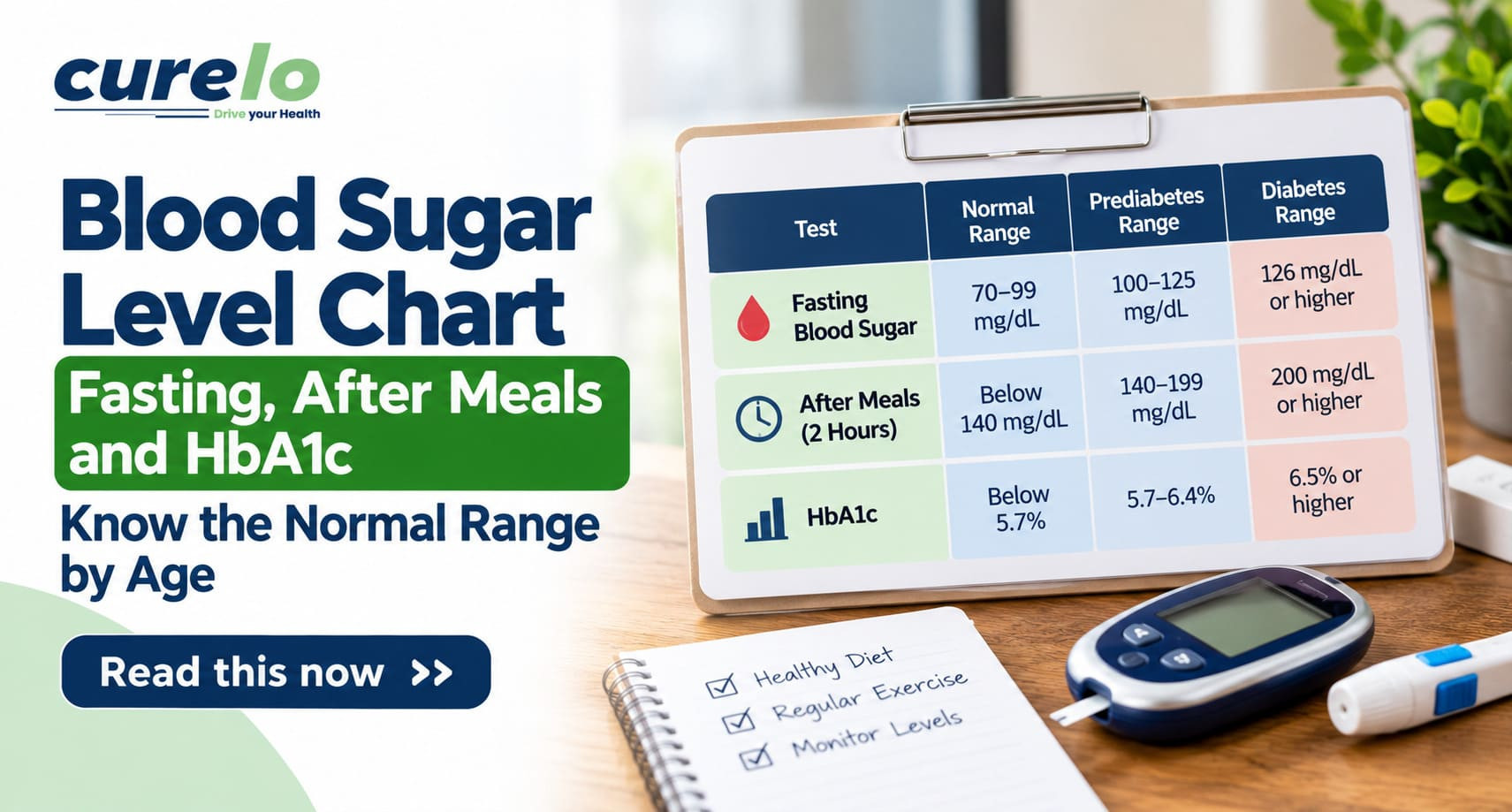
Blood Sugar Level Chart: Fasting, After Meals and HbA1c
The following blood sugar level chart shows the commonly used ranges for adults who are not pregnant.
| Test | Normal range | Prediabetes range | Diabetes range |
|---|---|---|---|
| Fasting blood sugar | 70–99 mg/dL | 100–125 mg/dL | 126 mg/dL or higher |
| Two-hour oral glucose tolerance test | Below 140 mg/dL | 140–199 mg/dL | 200 mg/dL or higher |
| HbA1c | Below 5.7% | 5.7–6.4% | 6.5% or higher |
Important: The two-hour glucose tolerance test is a specific test performed after drinking a glucose solution. Its diagnostic ranges should not be directly applied to every ordinary meal.
For people who already have diabetes, commonly used treatment targets for many non-pregnant adults are:
- Before meals: 80–130 mg/dL.
- One to two hours after the start of a meal: Below 180 mg/dL.
- HbA1c: Often below 7%.
These treatment targets are different from the ranges used to diagnose diabetes. Your doctor may recommend different targets depending on your age, medicines, other health conditions, and risk of low blood sugar.
Also read: https://curelohealth.com/blog/normal-blood-sugar-level
Normal Fasting Blood Sugar Level
Fasting blood sugar measures the amount of glucose in your blood after you have not eaten or consumed anything containing calories for at least eight hours.
This test is commonly performed in the morning before breakfast. It helps doctors understand how your body manages blood sugar when you have not eaten for several hours.
What Is the Normal Fasting Blood Sugar Range?
For non-pregnant adults, the usual ranges are:
- 70–99 mg/dL: Normal.
- 100–125 mg/dL: Prediabetes range.
- 126 mg/dL or higher: Diabetes range, usually requiring confirmation unless the diagnosis is clear from other clinical findings.
A fasting reading below 70 mg/dL is considered low blood sugar, particularly in people taking diabetes medicines. Symptoms may include sweating, shaking, dizziness, hunger, and confusion.
Your fasting result can also be affected by poor sleep, illness, stress, and certain medicines. If a reading is outside the expected range, discuss it with a healthcare professional rather than relying on one result alone.
Normal Blood Sugar Level After Meals
Blood sugar naturally rises after you eat because your body breaks down carbohydrates into glucose. Insulin then helps move glucose from the bloodstream into the cells.
How much your blood sugar rises depends on the type and amount of food you eat, your activity level, and how effectively your body uses insulin.
For people with diabetes, a commonly used target is a blood sugar level below 180 mg/dL, measured one to two hours after the beginning of a meal. Individual targets may vary.
It is important to understand that this is a treatment target, not a universal diagnostic cutoff for everyone after an ordinary meal.
How to Check Blood Sugar After Eating
For a more useful reading:
- Note the time you start eating.
- Check your glucose at the time recommended by your doctor, often one to two hours after the first bite.
- Record what you ate, your reading, and any symptoms.
- Compare readings over time instead of focusing on one number.
For example, a reading after a large meal may be different from one after a smaller meal containing more fibre and protein. Your doctor can help you understand whether your readings fit your personal goals.
If you regularly notice high readings after meals, consider discussing them with your doctor. You can also explore available blood sugar testing options through Curelo to compare diagnostic services and choose one that suits your needs.
HbA1c Normal Range: What Does It Mean?
An HbA1c test measures the percentage of haemoglobin in your red blood cells that has glucose attached to it. Since red blood cells generally live for around three months, this test gives an idea of your average blood sugar level over the past two to three months.
Unlike a fasting blood sugar test, HbA1c does not usually require fasting.
HbA1c Normal Range Chart
| HbA1c result | Interpretation |
|---|---|
| Below 5.7% | Normal |
| 5.7–6.4% | Prediabetes range |
| 6.5% or higher | Diabetes range, usually requiring confirmation |
An HbA1c result of 6.5% or higher may indicate diabetes. In the absence of clear symptoms or a medical emergency, doctors generally confirm the diagnosis with repeat testing or another appropriate glucose test.
For many adults already diagnosed with diabetes, an HbA1c target below 7% is commonly used. However, this target may be higher or lower depending on individual circumstances.
Why Is HbA1c Important?
Your fasting glucose tells you what your blood sugar was at a particular time. HbA1c provides a broader picture of your average glucose levels over several weeks.
For example, someone may have a fasting glucose reading within the normal range but still experience blood sugar rises at other times. HbA1c can help identify patterns that a single reading might miss.
However, HbA1c may be less reliable in certain situations, including some forms of anaemia, recent blood loss or transfusion, and conditions that affect red blood cells. Your doctor may recommend other tests if your HbA1c result does not match your glucose readings.
Also read: https://curelohealth.com/blog/hba1c-test-normal-range-diabetes-guide
Normal Blood Sugar Level by Age
Many people search for a normal blood sugar level by age because they expect the healthy range to increase as they get older.
However, the standard diagnostic ranges for fasting glucose and HbA1c are generally the same for most non-pregnant adults, regardless of age. What may change with age is the treatment target for someone who already has diabetes.
Here is a simple guide.
| Age group | General guidance |
|---|---|
| Children and teenagers | Normal glucose ranges depend on the test and clinical situation. Children with diabetes need individualised targets. |
| Adults aged 18–59 | Standard adult diagnostic ranges generally apply. |
| Adults aged 60–64 | Standard adult diagnostic ranges generally apply. Treatment goals may depend on overall health. |
| Adults aged 65 and above | Diagnostic ranges generally remain the same, but diabetes treatment targets may be adjusted for safety and other health conditions. |
These age groups are a general guide, not separate diagnostic charts. Pregnancy, certain medical conditions, and the presence of diabetes can change which ranges or targets apply.
Blood Sugar Levels in Older Adults
Older adults may have other health conditions, take several medicines, or be more vulnerable to the effects of low blood sugar.
For a healthy older adult with diabetes, a doctor may recommend an HbA1c target similar to that of a younger adult. For someone with multiple health conditions, frailty, or a higher risk of hypoglycaemia, a less strict target may be safer.
The goal is not simply to achieve the lowest possible blood sugar reading. It is to manage glucose safely while maintaining quality of life.
Blood Sugar Levels in Children
Children have different nutritional needs and may experience changes in glucose levels because of growth, exercise, illness, and puberty.
Children with diabetes need personalised targets based on their age, treatment, and risk of low blood sugar. If a child's glucose reading is unusual, speak to a paediatrician or diabetes specialist rather than applying adult targets without guidance.
What Causes High or Low Blood Sugar Levels?
Blood sugar levels can change for several reasons. Understanding these factors can help you identify patterns and discuss concerns with your doctor.
Common Causes of High Blood Sugar
High blood sugar, also called hyperglycaemia, may occur due to:
- Eating more carbohydrates than your body can manage.
- Low physical activity.
- Stress, poor sleep, or an infection.
- Missing diabetes medicines or taking them incorrectly.
- Insulin resistance or diabetes.
- Certain medicines, including some steroids.
Common symptoms include increased thirst, frequent urination, tiredness, and blurred vision. Some people may have no noticeable symptoms, especially in the early stages of diabetes.
Common Causes of Low Blood Sugar
Low blood sugar, or hypoglycaemia, is particularly common among people who use insulin or certain diabetes medicines.
Possible causes include:
- Skipping or delaying meals.
- Taking more insulin or diabetes medicine than needed.
- Exercising more than usual without adjusting food or medication.
- Drinking alcohol, especially without food.
A blood sugar level below 70 mg/dL is generally considered low. If you are conscious and able to swallow safely, the commonly recommended approach is to take 15 grams of fast-acting carbohydrate and recheck your glucose after 15 minutes. Repeat if it remains low.
Severe confusion, seizures, unconsciousness, or an inability to swallow safely require emergency assistance. Do not give food or drinks by mouth to someone who is unconscious.
How Can You Maintain Healthy Blood Sugar Levels?
Healthy daily habits can support better blood sugar control and overall well-being.
1. Eat Balanced Meals
Include vegetables, protein-rich foods, fibre-rich carbohydrates, and healthy fats in your meals. Lentils, beans, eggs, vegetables, whole grains, and unsweetened dairy products can be useful choices depending on your dietary preferences.
You do not necessarily need to eliminate rice, roti, or fruit. Portion sizes and the overall balance of your meals matter.
2. Stay Physically Active
Regular activity helps your body use insulin more effectively. Walking, cycling, swimming, and other activities you enjoy can support glucose control.
If you have a medical condition or have not exercised for a long time, ask your doctor which activities are suitable for you.
3. Get Enough Sleep
Poor sleep can affect hormones involved in appetite and blood sugar regulation. Try to maintain a regular sleep schedule and aim for sufficient rest.
4. Monitor Your Blood Sugar When Needed
Blood sugar testing can help you understand how your body responds to meals, medicines, and physical activity. The frequency of testing depends on whether you have diabetes, the medicines you take, and your doctor's advice.
If you need a laboratory test, Curelo can help you compare available diagnostic labs and test options. Choose the test recommended by your healthcare professional and review your results with them.
5. Do Not Ignore Regularly Abnormal Results
Repeated high or low readings deserve attention. Do not change or stop prescribed medicines based on a single result without medical advice.
If you experience persistent thirst, frequent urination, unexplained weight loss, or repeated unusual readings, consult a doctor. Early assessment can help identify the cause and guide appropriate care.
When Should You Get Your Blood Sugar Tested?
Blood sugar testing may be recommended if you have symptoms of diabetes, a family history of the condition, excess weight, low physical activity, a history of gestational diabetes, or other risk factors.
Doctors may use fasting blood glucose, HbA1c, or an oral glucose tolerance test depending on your situation.
Adults with no symptoms may also benefit from routine screening based on their age and risk factors. Your doctor can advise when to begin screening and how often to repeat it.
If your result falls in the prediabetes range, it does not automatically mean you will develop diabetes. Lifestyle changes and appropriate follow-up can help reduce the risk of progression.
If your result is in the diabetes range, seek medical advice for confirmation and a management plan. Very high glucose readings accompanied by vomiting, abdominal pain, deep or rapid breathing, severe weakness, or confusion need urgent medical assessment.
Conclusion
Understanding your blood sugar level chart can help you make sense of your fasting glucose, post-meal readings, and HbA1c results. For most non-pregnant adults, fasting blood sugar of 70–99 mg/dL and HbA1c below 5.7% are considered normal.
While age can influence diabetes management goals, the standard diagnostic ranges generally remain the same for adults. Your symptoms, medical history, and individual risk factors also matter when interpreting a result.
Balanced meals, regular physical activity, sufficient sleep, and timely health checkups can support better blood sugar management.
Want to get your blood sugar levels checked? Explore diagnostic testing options through Curelo, compare available labs, and choose a suitable test based on your healthcare needs. Always discuss abnormal results with a qualified healthcare professional for the right next steps.
FAQs
What is the normal blood sugar level for adults?
For most non-pregnant adults, a normal fasting blood sugar level is 70–99 mg/dL. A two-hour result below 140 mg/dL during an oral glucose tolerance test is also considered normal. An HbA1c below 5.7% falls within the normal range.
The correct interpretation depends on the type of test, your symptoms, and your medical history. If your result is outside the expected range, your doctor may recommend repeat testing.
What is the normal blood sugar level two hours after eating?
For people with diabetes, a commonly used target is below 180 mg/dL, measured one to two hours after the beginning of a meal. However, this is a treatment target rather than a universal diagnostic cutoff for healthy people after an ordinary meal.
The amount and type of food you eat can affect your reading. If your post-meal glucose is repeatedly high, discuss the pattern with your doctor.
What is the normal HbA1c range by age?
The standard HbA1c diagnostic range generally does not change simply because an adult gets older. An HbA1c below 5.7% is considered normal, 5.7–6.4% falls in the prediabetes range, and 6.5% or higher falls in the diabetes range.
However, people who already have diabetes may have different treatment targets depending on their age, overall health, medicines, and risk of low blood sugar. Some medical conditions can also affect the accuracy of HbA1c.
Is a fasting blood sugar level of 110 mg/dL normal?
A fasting blood sugar level of 110 mg/dL is above the usual normal range. For non-pregnant adults, fasting glucose between 100 and 125 mg/dL falls in the prediabetes range.
One reading does not confirm prediabetes on its own. Your doctor may recommend repeating the test or checking HbA1c to understand your blood sugar status more clearly.
Can blood sugar be normal in the morning but high after meals?
Yes. Fasting blood sugar measures glucose at one point in time, while meals can cause glucose levels to rise. Some people may have a normal fasting result but experience higher glucose levels after eating.
This can happen because of the amount of carbohydrates in a meal, insulin resistance, or problems with insulin production. HbA1c and other tests may help your doctor understand the overall pattern.
How often should I check my blood sugar?
The frequency depends on your health and whether you have diabetes. People with diabetes who use insulin may need to test several times a day, while others may need less frequent monitoring based on their treatment plan.
People without diabetes do not usually need to check their blood sugar daily unless a healthcare professional recommends it. Routine screening may be appropriate depending on age and risk factors. Ask your doctor which test and schedule are suitable for you.
Need Help In Booking a Lab Test?
Share Your Details, We Will Call You Right Back!


