


 Login / Sign Up

Blog
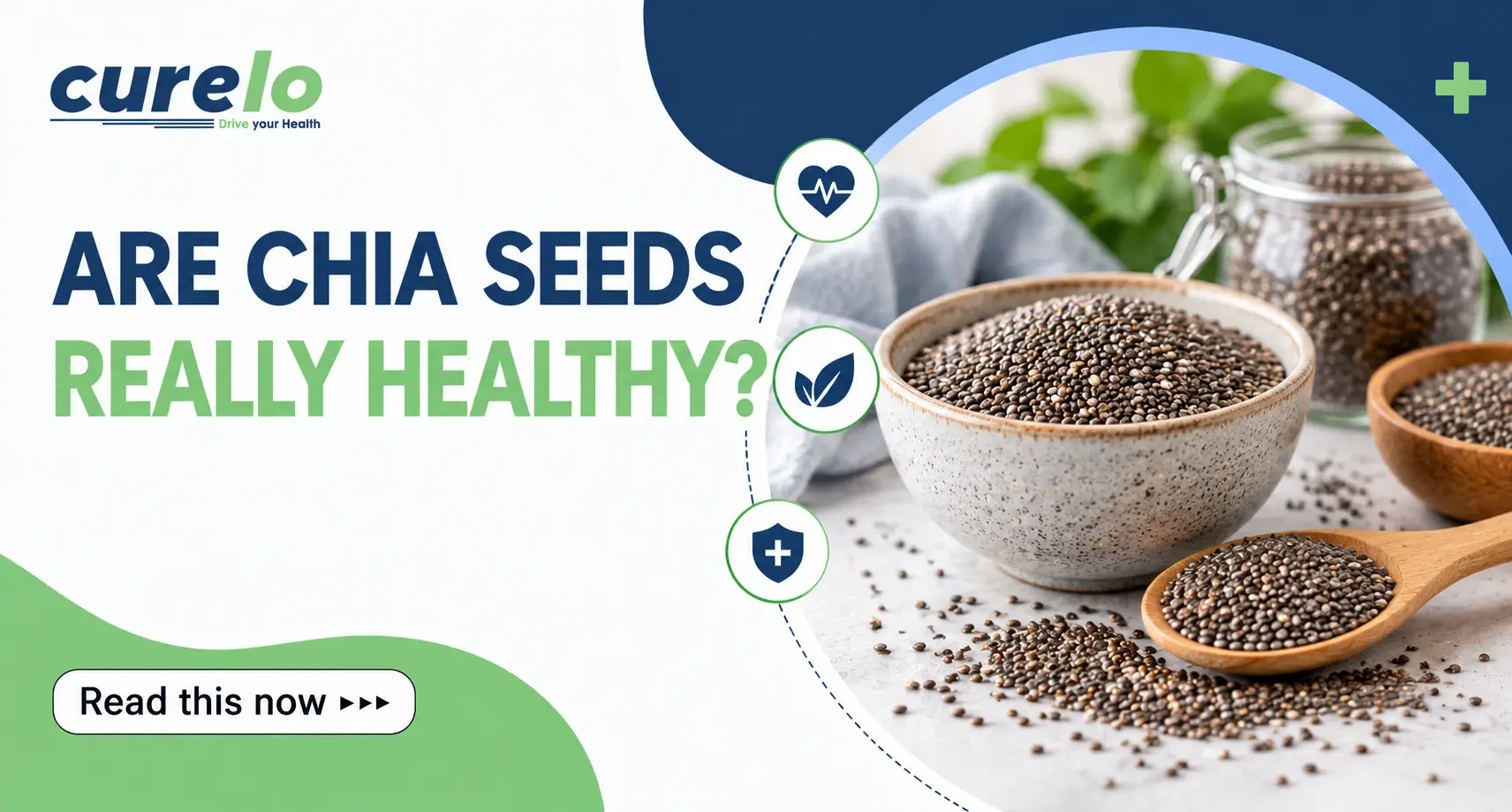
What Are the Benefits of Chia Seeds? 10 Ways They May Support Your Health
Chia seeds may be tiny, but they contain several nutrients that can make them a useful addition to a balanced diet. They are a source of dietary fiber, plant-based protein, omega-3 fatty acids, calcium, magnesium and other minerals.
But what are the actual chia seeds benefits, and can eating them every day really improve your health?
From supporting digestion and helping you feel full to contributing nutrients important for heart and bone health, chia seeds can offer several potential benefits when included as part of an overall healthy eating pattern. However, they are not a treatment for any disease and should not replace a balanced diet or medical care.
In this article, we look at the potential health benefits of chia seeds, how to eat them, how much you may need and some precautions to keep in mind.
What Are Chia Seeds?
Chia seeds are small edible seeds obtained from the plant Salvia hispanica. They are usually black, white or grey in colour and have a mild taste, which makes them easy to add to different foods.
One of their most notable features is their high fiber content. When mixed with water or another liquid, chia seeds absorb moisture and develop a gel-like texture.
They also provide plant-based omega-3 fatty acids, protein and minerals such as calcium, magnesium, phosphorus and iron.
Chia Seeds Nutrition
Chia seeds are nutrient-dense, meaning they provide several nutrients in a relatively small serving.
A 28-gram serving, roughly 2 tablespoons, provides approximately:
- Calories: 138 kcal
- Protein: 4.7 g
- Fat: 8.7 g
- Fiber: 9.7 g
- Calcium: 179 mg
- Magnesium: 95 mg
- Phosphorus: 244 mg
- Iron: 2.1 mg
- Zinc: 1.3 mg
- Omega-3 fatty acid ALA: around 5 g
The exact nutritional values can vary slightly depending on the product and serving size. Their combination of fiber, protein, healthy fats and minerals is one reason chia seeds have become popular as part of healthy diets.
10 Potential Benefits of Chia Seeds
1. May Support Digestive Health
One of the best-known chia seeds benefits is their high fiber content.
Dietary fiber helps support normal bowel movements and can contribute to overall digestive health. Chia seeds contain both soluble and insoluble forms of fiber.
When exposed to liquid, they form a gel-like consistency, which can add bulk and help support regular digestion.
If you are not used to eating much fiber, start with a smaller amount and increase gradually. Suddenly increasing fiber intake may cause gas, bloating or digestive discomfort.
2. May Help You Feel Full for Longer
Chia seeds can be useful in a balanced weight-management diet because they contain both fiber and protein.
Fiber can slow digestion and help you feel satisfied after eating. Because chia seeds absorb liquid and expand, they can also add volume to meals.
However, chia seeds for weight loss should not be viewed as a quick fix. Adding chia seeds alone does not guarantee weight loss. Your overall calorie intake, diet quality, physical activity and lifestyle habits matter much more.
Research on chia and weight-related outcomes is also mixed, so they are best considered one nutritious food rather than a weight-loss treatment.
3. May Support Heart Health
Chia seeds contain fiber and alpha-linolenic acid (ALA), a plant-based omega-3 fatty acid.
A diet that includes adequate fiber and unsaturated fats can support cardiovascular health. Some studies have also investigated whether chia consumption may influence cholesterol, triglycerides and blood pressure.
A systematic review of randomized trials found potential improvements in some cardiovascular risk markers, including triglycerides, LDL cholesterol and blood pressure, although results vary and more research is needed.
Therefore, chia seeds can be included in a heart-healthy diet, but they should not be considered a treatment for high cholesterol or high blood pressure.
4. May Help Support Blood Sugar Management
The fiber in chia seeds may help slow the digestion and absorption of carbohydrates when they are consumed as part of a meal.
Some research has explored the relationship between chia seeds and blood sugar regulation. However, evidence is not strong enough to say that chia seeds alone can prevent or treat diabetes.
If you have diabetes, chia seeds can be part of a balanced meal plan, but they should not replace prescribed medicines, glucose monitoring or medical advice.
5. Provides Nutrients Important for Bone Health
Another potential chia seeds benefit is their mineral content.
Chia seeds provide calcium, magnesium and phosphorus, all of which are important for maintaining normal bones and teeth.
They also contain ALA, although more research is needed to understand how chia consumption itself affects bone health in humans.
Including chia seeds alongside other nutrient-rich foods such as dairy or fortified alternatives, pulses, vegetables, nuts and seeds can help contribute to an overall balanced diet.
6. Provides Plant-Based Omega-3 Fatty Acids
Chia seeds are one of the convenient plant sources of ALA, an essential omega-3 fatty acid.
Your body cannot make ALA on its own, so it needs to come from food. ALA is different from the omega-3 fats EPA and DHA found mainly in fatty fish and some algae-based foods.
For people who eat mostly plant-based foods, chia seeds can be a useful way to add ALA to their diet.
7. May Provide Antioxidant Compounds
Chia seeds contain several antioxidant compounds, including polyphenols.
Antioxidants help protect cells from oxidative damage caused by reactive molecules. Chia seeds contain compounds such as chlorogenic acid, caffeic acid, quercetin and kaempferol.
However, eating chia seeds does not mean that they can prevent diseases caused by oxidative stress. Their antioxidant content is best considered one part of their overall nutritional value.
8. Can Add Protein to Your Diet
Chia seeds provide plant-based protein, making them a useful addition to meals and snacks.
Protein is needed for many functions in the body, including maintaining muscles, tissues and enzymes.
Chia seeds alone are not a complete replacement for major protein sources, but adding them to yogurt, oats, smoothies or meals can increase the overall protein and nutrient content.
9. May Support Healthy Eating During Weight Management
Because chia seeds contain fiber, protein and healthy fats, they can make meals more filling.
For example, adding a small amount to oatmeal or yogurt may help create a more satisfying breakfast or snack.
The important point is portion size. Chia seeds are nutritious but calorie-dense, so eating very large amounts does not automatically provide greater health benefits.
10. Easy to Add to Everyday Meals
One practical advantage of chia seeds is how easy they are to use.
You can add them to:
- Oatmeal
- Yogurt
- Smoothies
- Fruit bowls
- Chia pudding
- Homemade drinks
- Salads
- Whole-grain foods
Their mild taste means they can be added to many meals without significantly changing the flavour.
How to Eat Chia Seeds
Chia seeds can be eaten in several ways. You can mix them into yogurt or oatmeal, add them to smoothies or prepare chia pudding by soaking them in milk or another liquid.
Because chia seeds absorb a considerable amount of liquid, drinking enough water and introducing them gradually can help reduce digestive discomfort.
If you are new to high-fiber foods, starting with a small serving may be more comfortable than suddenly consuming a large quantity.
How Much Chia Seeds Should You Eat Per Day?
There is no single amount that is right for everyone.
A commonly used serving is around 1 to 2 tablespoons per day, depending on the rest of your diet and individual nutritional needs.
A serving of around 28 grams, or roughly 2 tablespoons, is commonly used when discussing chia seed nutrition.
You do not need to consume large amounts to benefit from their nutrients. Start with a smaller serving if your usual diet is low in fiber.
What Happens If You Eat Chia Seeds Every Day?
Eating a moderate amount of chia seeds regularly can help you add fiber, ALA, protein and minerals to your diet.
However, eating too much may increase the risk of gas, bloating, constipation or diarrhea, especially if your body is not accustomed to a high-fiber diet.
Daily consumption should therefore be based on your overall diet, tolerance and health needs rather than simply trying to eat as much as possible.
Are Chia Seeds Good for Weight Loss?
Chia seeds can be included in a weight-loss diet, mainly because their fiber and protein content may help with fullness.
But chia seeds do not directly burn belly fat or cause rapid weight loss.
Research on chia seeds and body weight has produced mixed results. Some evidence suggests potential effects on waist circumference or certain metabolic markers, while other studies have not found significant changes in body weight.
Chia seeds can be included in a balanced weight-management diet, but they do not directly burn belly fat. Their fiber and protein content may help with fullness and portion control.
For more details, read our guide on how chia seeds may support weight loss.
Are There Any Side Effects of Chia Seeds?
Chia seeds are generally well tolerated when consumed in appropriate amounts, but eating too much at once may cause digestive problems because of their high fiber content.
Possible problems include:
- Gas
- Bloating
- Constipation
- Diarrhea
- Abdominal discomfort
It is also important not to swallow large amounts of dry chia seeds without enough liquid because they absorb water and expand.
People with swallowing difficulties or certain digestive conditions should speak with a healthcare professional before adding large amounts of chia seeds to their diet.
Frequently Asked Questions About Chia Seeds
1. What are the main benefits of chia seeds?
Chia seeds provide fiber, plant-based protein, ALA omega-3 fatty acids, calcium, magnesium and antioxidants. They may support digestion, fullness, heart health, bone health and healthy blood sugar management when included as part of a balanced diet.
2. Can I eat chia seeds every day?
Yes, many people can include a moderate amount of chia seeds in their daily diet. Start with a small serving if you are not used to high-fiber foods and drink enough fluids.
3. Do chia seeds help reduce belly fat?
Chia seeds do not specifically burn belly fat. They may support fullness and can be included in a calorie-controlled, balanced diet, but more research is needed to establish a direct effect on belly fat.
4. Are chia seeds good for diabetes?
Chia seeds can be part of a balanced diet for people with diabetes because they are high in fiber. However, they do not treat diabetes, and portion sizes and the overall meal plan still matter.
5. How should I eat chia seeds for weight loss?
You can add a small serving of chia seeds to foods such as yogurt, oatmeal or smoothies. They may help make meals more filling, but weight loss depends on your overall diet, calorie intake and physical activity rather than chia seeds alone.
Conclusion
Chia seeds are a simple way to add fiber, plant-based protein, omega-3 ALA, minerals and antioxidant compounds to your diet. Their potential benefits include supporting digestion, fullness, heart health, bone health and healthy blood sugar management.
However, chia seeds are not a miracle food or a substitute for medical treatment. The best results come from including them as part of a varied, nutrient-rich diet.
If you are adding chia seeds to your routine, start with a moderate amount, increase fiber gradually and drink enough fluids. If you have a medical condition or take medicines that affect blood sugar, blood pressure or digestion, speak with your healthcare professional before making major dietary changes.
Need Help In Booking a Lab Test?
Share Your Details, We Will Call You Right Back!


