


 Login / Sign Up

Blog

Postpartum Recovery: 10 Common Changes After Pregnancy and When to Seek Help
Having a baby is a major physical and emotional change. While most attention during pregnancy focuses on the baby’s growth, the mother’s health also needs care after delivery.
The weeks and months after childbirth are known as the postpartum period. During this time, your body starts recovering from pregnancy and delivery while you adjust to changes in sleep, hormones, emotions, and daily life.
Some changes are a normal part of postpartum recovery, while others may need medical attention. Knowing the difference can help you take better care of yourself and get help when you need it
What Is Postpartum Recovery?
Postpartum recovery refers to the physical and emotional healing that happens after childbirth. Although many people think recovery takes only a few weeks, some changes can continue for several months.
Your uterus gradually returns to its pre-pregnancy size, pregnancy hormones change, wounds from delivery heal, and your body adjusts to breastfeeding if you choose to breastfeed.
Recovery can look different for every woman. Factors such as the type of delivery, complications during pregnancy or childbirth, breastfeeding, sleep, nutrition, and overall health can all affect recovery.
That is why good postpartum care matters, even when everything seems to be going well.
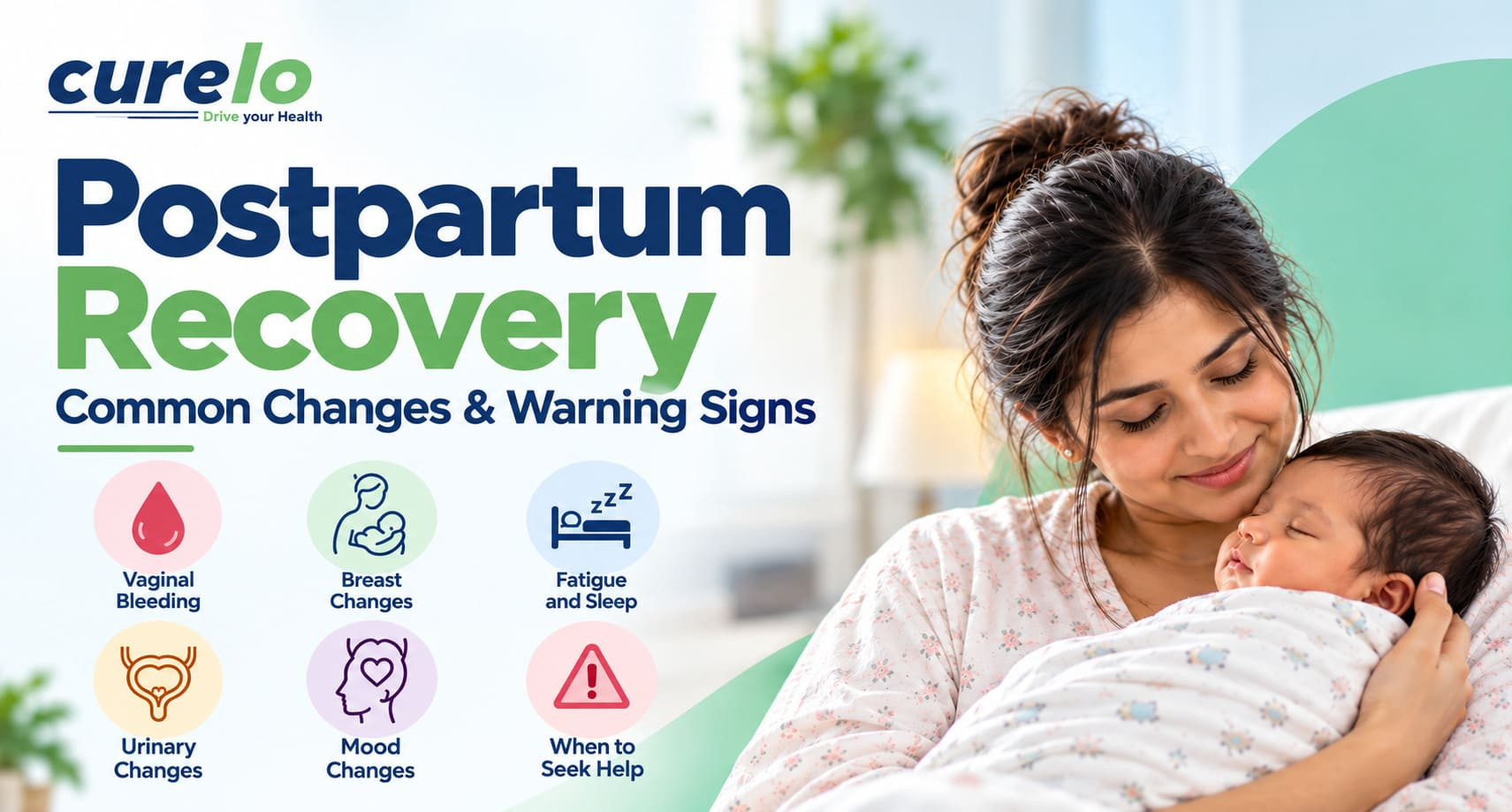
10 Common Changes During Postpartum Recovery
1. Vaginal Bleeding
Vaginal bleeding after childbirth is common and is called lochia. It happens as the uterus sheds blood and tissue left over from pregnancy.
The bleeding is usually heavier during the first few days and gradually becomes lighter. It may change from bright red to pink, brown, and eventually yellowish or white.
However, very heavy bleeding should not be ignored.
Seek medical help if:
- You are soaking through a pad in an hour or less
- You pass very large blood clots
- Bleeding suddenly becomes much heavier
- You feel dizzy, weak, faint, or short of breath
Heavy bleeding after childbirth can sometimes be a sign of postpartum haemorrhage and requires urgent medical attention.
2. Vaginal or Perineal Pain
If you had a vaginal delivery, you may experience soreness around the vagina or perineum. This can be more noticeable if you had a tear or an episiotomy.
Pain, swelling, and discomfort while sitting or walking can happen during the early recovery period.
Keeping the area clean, following your healthcare provider’s advice, and getting enough rest can support healing.
If pain is becoming worse rather than better, or you notice increasing swelling, pus, foul-smelling discharge, or fever, speak to your doctor.
3. C-Section Wound Pain
A caesarean section is a major abdominal surgery, so recovery can take time. You may experience pain, tenderness, tightness, or itching around the incision.
Avoid putting unnecessary pressure on the wound and follow your doctor’s instructions about activity, lifting, and wound care.
Contact your healthcare provider if the incision becomes increasingly red, swollen, painful, or starts producing pus or other unusual discharge.
4. Breast Changes and Breastfeeding Problems
Your breasts may feel fuller, heavier, or tender when milk production increases. Some women may also experience leaking.
Breastfeeding can take time to establish, and problems such as sore nipples, blocked milk ducts, or breast engorgement can occur.
A painful, red, swollen area of the breast accompanied by fever or flu-like symptoms may indicate mastitis and should be discussed with a healthcare professional.
If you are struggling with breastfeeding, remember that asking for help is part of good postpartum care, not a sign that you are doing something wrong.
5. Constipation and Haemorrhoids
Constipation is another common postpartum symptom. Changes in hormones, reduced physical activity, dehydration, iron supplements, and fear of pain around stitches can contribute to it.
Haemorrhoids, or swollen veins around the anus, can also develop during pregnancy or after delivery. They may cause itching, pain, or bleeding during bowel movements.
Drinking enough water, eating fibre-rich foods, and gradually becoming active as advised by your healthcare provider may help.
If constipation is severe, lasts for a long time, or is associated with significant pain or bleeding, talk to your doctor.
6. Urinary Changes
You may notice changes in urination after childbirth. Some women experience increased frequency, while others may have difficulty controlling urine, especially when coughing, sneezing, laughing, or exercising.
This can happen because pregnancy and childbirth affect the pelvic floor muscles.
Pelvic floor exercises may help strengthen these muscles, but persistent urinary leakage or pain while urinating should not simply be accepted as something you have to live with.
Speak to your healthcare provider if symptoms continue or interfere with your daily activities.
7. Hair Loss and Skin Changes
Hair loss can be one of the more surprising postpartum symptoms.
During pregnancy, hormonal changes can keep more hair in its growth phase. After delivery, hormone levels change and some of that hair may shed.
Postpartum hair shedding is usually temporary, and hair growth often becomes more balanced over time.
You may also notice changes such as darker skin patches, acne, dry skin, or changes in stretch marks.
A balanced diet, adequate protein, gentle hair care, and time can help. If hair loss is severe, prolonged, or accompanied by other symptoms, discuss it with your doctor.
8. Fatigue and Sleep Problems
Feeling tired after having a baby is expected. Newborn feeding schedules, night waking, physical recovery, and hormonal changes can make sleep difficult.
However, extreme or persistent fatigue should not always be blamed on lack of sleep.
Conditions such as anaemia or thyroid problems can also contribute to tiredness after pregnancy.
Try to rest whenever possible and accept help from family or friends. If exhaustion feels overwhelming or continues despite getting opportunities to rest, speak to your healthcare provider.
If your doctor recommends blood tests or other health checks during your recovery, you can explore available diagnostic options through platforms such as Curelo, which helps you compare and book tests from partner labs.
9. Mood Swings and Emotional Changes
The postpartum period can bring many emotions. You may feel happy one moment and overwhelmed or tearful the next.
The “baby blues” are common and may include mood swings, irritability, anxiety, and crying. These feelings usually improve within about two weeks.
But when sadness, anxiety, hopelessness, anger, or loss of interest continues or becomes severe, it may be a sign of postpartum depression or another mental health condition.
You should speak to a healthcare professional if you feel unable to cope, have persistent low mood, or find it difficult to care for yourself or your baby.
Any thoughts of harming yourself or your baby require immediate professional help.
Mental health is an important part of postpartum health, just like physical recovery.
10. Changes in Periods and Hormones
Your menstrual cycle may not return immediately after childbirth. The timing can vary depending on your body and whether you are breastfeeding.
When periods return, they may initially be different from what you experienced before pregnancy. They may be heavier, lighter, longer, or more irregular.
Hormonal changes can also affect mood, skin, hair, vaginal dryness, and libido.
If your periods return and you experience extremely heavy bleeding, severe pain, or other concerning symptoms, talk to your doctor.
When Should You Seek Medical Help After Childbirth?
Knowing which postpartum symptoms require attention is an important part of postpartum care.
Seek urgent medical attention if you experience:
- Heavy vaginal bleeding
- Severe abdominal or pelvic pain
- Chest pain or difficulty breathing
- Severe headache, especially with vision changes
- Sudden swelling of the face or hands
- Seizures or confusion
- High fever or signs of infection
- Severe pain or swelling in one leg
- Worsening pain, redness, or discharge from a C-section wound
- Thoughts of harming yourself or your baby
These symptoms should not be ignored because some serious complications can occur after delivery.
How Can You Support Your Postpartum Recovery?
There is no single timeline for recovery. Instead of comparing your recovery with another mother’s, focus on how your body is healing.
Some simple steps can support postpartum health:
- Get as much rest as possible
- Eat balanced meals with enough protein, fibre, vitamins, and minerals
- Drink enough fluids
- Follow your doctor’s advice about physical activity
- Take prescribed medicines and supplements as directed
- Attend postpartum check-ups
- Ask for help with household tasks and baby care
- Pay attention to your mental health
- Do not ignore symptoms that feel unusual or are getting worse
Regular medical follow-ups can also help identify issues that may not have obvious symptoms.
If you need to understand which health checks or diagnostic tests may be relevant during your recovery, Curelo can help you compare available options and book tests through partner labs.
Conclusion
Bringing a baby into the world can change your body and your life in many ways. Some changes are expected parts of postpartum recovery, while others may need medical attention.
Pay attention to your postpartum symptoms, attend recommended check-ups, care for your mental health, and give your body time to heal.
You do not have to wait until something feels seriously wrong to take care of your health. If you have concerns about your postpartum health, speak to a healthcare professional and consider appropriate health checks when recommended.
Because taking care of yourself is also part of taking care of your baby.
FAQs
1. How long does postpartum recovery take?
There is no fixed recovery period for every woman. The first six weeks are often considered an important early recovery period, but some physical and emotional changes can continue for several months.
Recovery also depends on whether you had a vaginal delivery or C-section, whether there were complications, breastfeeding, sleep, nutrition, and your overall health.
It is normal for recovery to happen gradually. If a symptom is getting worse instead of improving, speak to your healthcare provider.
2. What are the most common postpartum symptoms?
Common postpartum symptoms include vaginal bleeding, vaginal or C-section soreness, breast tenderness, constipation, haemorrhoids, urinary changes, fatigue, hair loss, mood swings, and changes in periods.
Many of these are temporary. However, symptoms that are severe, sudden, persistent, or getting worse should be discussed with a doctor.
3. When should I worry about bleeding after childbirth?
Some bleeding is normal after childbirth. It is usually heavier in the beginning and gradually becomes lighter.
You should seek medical attention if you experience very heavy bleeding, suddenly increased bleeding, very large blood clots, dizziness, fainting, weakness, or shortness of breath.
Heavy bleeding can sometimes indicate a serious complication and should be assessed promptly.
4. Is it normal to feel very tired after having a baby?
Some fatigue is expected because childbirth is physically demanding and newborns often wake frequently during the night.
However, extreme or persistent fatigue should not automatically be considered normal. Anaemia, thyroid problems, sleep deprivation, depression, and other health issues can contribute to ongoing tiredness.
If your fatigue feels unusually severe or affects your ability to function, speak to your healthcare provider.
5. How do I know if I have postpartum depression?
Postpartum depression can involve persistent sadness, anxiety, hopelessness, irritability, loss of interest in things you normally enjoy, difficulty bonding with your baby, changes in sleep or appetite, or feeling unable to cope.
The baby blues usually improve within around two weeks. If emotional symptoms continue, become intense, or interfere with daily life, talk to a healthcare professional.
If you have thoughts of harming yourself or your baby, seek urgent professional help immediately.
Need Help In Booking a Lab Test?
Share Your Details, We Will Call You Right Back!


