

 Login / Sign Up

Blog
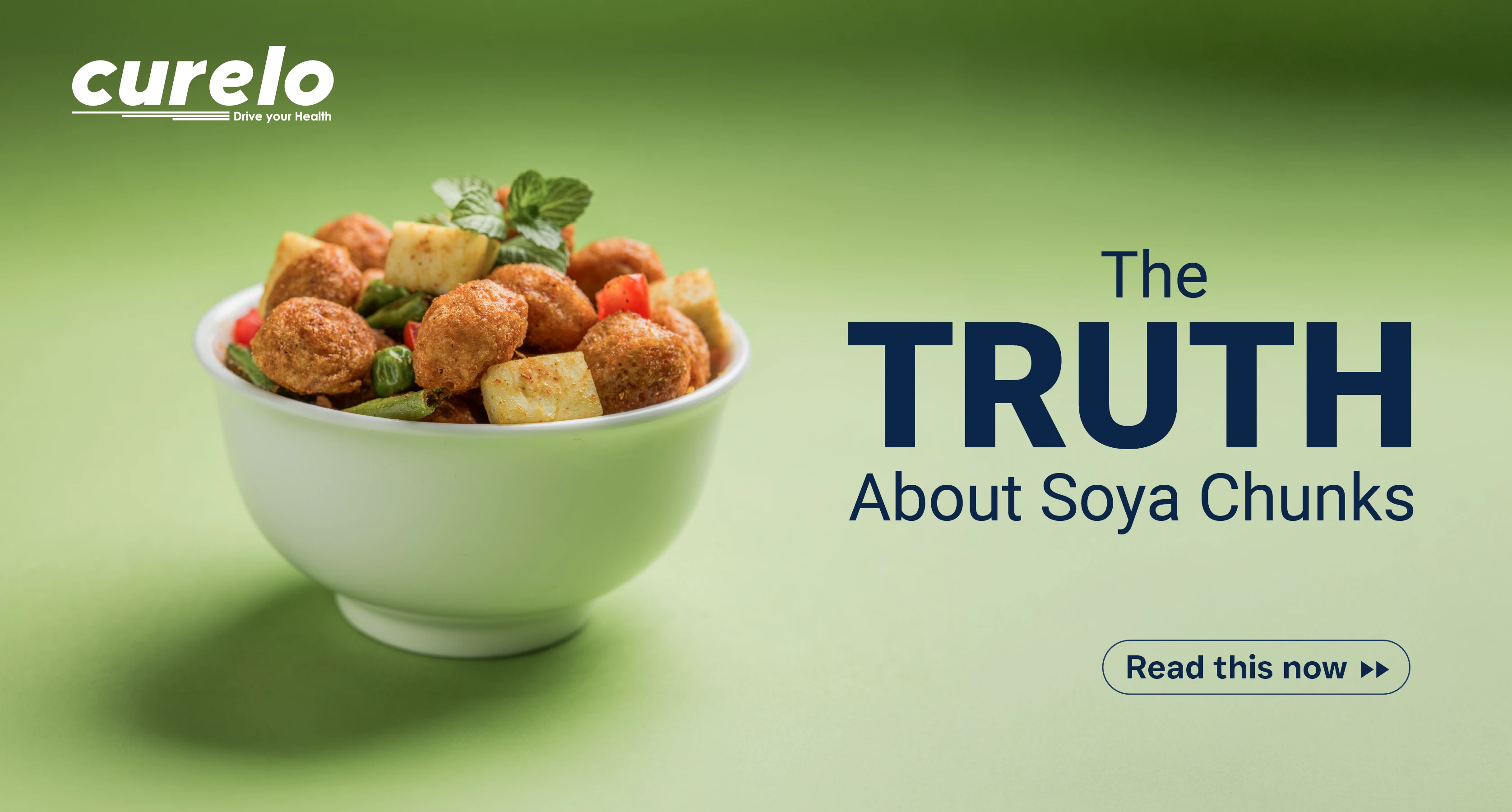
Soya Chunks Benefits: Nutritional Value, Health Benefits, Side Effects & More
Soya chunks are a popular and affordable source of plant-based protein in many Indian households. They are easy to cook, highly nutritious, and can be added to a variety of dishes, such as pulao, curries, cutlets, and even salads.
But many people still ask, Are soya chunks good for health? In this blog, we will explore the nutritional value of soya chunks, their health benefits, protein content, potential side effects, and more, in simple language.
What Are Soya Chunks?
Soya chunks are made from defatted soy flour, which is a by-product of extracting soybean oil. The flour is processed into small, round, or nugget-shaped pieces. When soaked in hot water, they become soft and spongy and absorb flavors very well.
They are also known as textured vegetable protein (TVP). Because of their high protein content, they are often called “vegetarian meat.”
Soya Chunks Nutrition Value
Understanding the soya chunks' nutritional value helps you know why they are considered a superfood.
Here is the approximate nutrition value of 100 grams of dry soya chunks:
- Calories: 330–350 kcal
- Protein: 50–52 grams
- Carbohydrates: 30–35 grams
- Fat: 0.5–1 gram
- Fiber: 10–13 grams
- Iron: 15–20% of daily requirement
- Calcium: 20–25% of daily requirement
Soya Chunks Protein Content
The most impressive part of soya chunks is their protein. The soya chunks protein content is around 50 grams per 100 grams. That is more than eggs and almost equal to some types of meat.
This makes soya chunks an excellent protein source for:
- Vegetarians
- Vegans
- Gym-goers
- Growing children
- People trying to lose weight
Protein is important for building muscles, repairing tissues, and keeping you full for longer.
Are Soya Chunks Good for Health?
Yes, in most cases, soya chunks are good for health when eaten in moderate amounts. They provide high-quality protein, fiber, vitamins, and minerals.
However, like any food, they should be eaten in balance. Overeating may lead to digestive issues or hormonal concerns in some people. We will discuss this in detail later under soya chunks side effects.
Now, let’s look at the major soya chunks benefits.
Top Soya Chunks Benefits
1. Excellent Source of Plant Protein
One of the biggest soya chunks benefits is their high protein content. The soya chunks protein content helps:
- Build muscle mass
- Improve strength
- Support recovery after workouts
- Prevent muscle loss
For vegetarians who do not eat eggs or meat, soya chunks are a very affordable and powerful protein option.
2. Helps in Weight Management
If you are trying to lose weight, soya chunks can help.
They are:
- High in protein
- High in fiber
- Low in fat
Protein and fiber keep you full for a longer time. This reduces unnecessary snacking and overeating. Because of this, many diet plans include soya chunks.
3. Supports Heart Health
Soya chunks contain very little saturated fat. They also contain compounds called isoflavones, which may help reduce bad cholesterol (LDL).
Including soya chunks in your diet may:
- Lower cholesterol levels
- Reduce the risk of heart disease
- Improve overall heart health
But remember, they should be part of a balanced diet with fruits, vegetables, and whole grains.
4. Good for Bone Health
The soya chunks ' nutritional value includes calcium and iron. Calcium is essential for strong bones and teeth.
Regular but moderate intake of soya chunks may help:
- Prevent bone weakness
- Support bone density
- Reduce the risk of osteoporosis
This is especially helpful for women and older adults.
5. Helps Control Blood Sugar
Soya chunks have a low glycemic index. This means they do not cause a sudden spike in blood sugar levels.
Because they are high in fiber and protein, they slow down the absorption of sugar into the blood. This makes them a good option for people with diabetes when eaten in controlled portions.
6. May Support Hormonal Balance
Soya chunks contain plant compounds called phytoestrogens. These act like mild estrogen in the body.
For women, this may:
- Reduce menopause symptoms
- Improve hormonal balance
However, this is also the reason why some people worry about eating too much soy. Moderate intake is key.
7. Improves Digestion
The fiber present in soya chunks supports healthy digestion.
Fiber helps:
- Prevent constipation
- Improve gut health
- Support healthy bowel movements
But eating too much at once may cause bloating, which we will discuss below.
Soya Chunks Side Effects
While there are many soya chunks benefits, it is important to understand possible soya chunks side effects.
1. Digestive Issues
Some people may experience:
- Gas
- Bloating
- Stomach discomfort
This usually happens if you eat too many soya chunks at once or if your body is not used to high-fiber foods.
Tip: Start with small portions and drink enough water.
2. Thyroid Concerns
Soy contains compounds that may interfere with thyroid hormone absorption, especially in people who already have thyroid problems.
If you have hypothyroidism:
- Avoid eating soya chunks in very large quantities
- Do not eat them immediately after taking thyroid medication
- Consult your doctor for personalized advice
3. Hormonal Concerns in Men
Many people worry that soy reduces testosterone in men. However, most studies show that moderate soy intake does not significantly affect male hormones.
Problems may arise only when consumed in excessive amounts over a long period.
4. Soy Allergy
Some individuals are allergic to soy. Symptoms may include:
- Skin rashes
- Itching
- Swelling
- Difficulty breathing
If you notice these signs after eating soy, stop immediately and consult a doctor.
How Much Soya Chunks Should You Eat?
Moderation is important.
For most healthy adults:
- 25–50 grams of dry soya chunks per day (2–3 times a week) is generally safe.
You do not need to eat them daily. Include them as part of a balanced diet along with other protein sources like:
- Lentils
- Chickpeas
- Paneer
- Eggs (if you eat them)
Best Ways to Include Soya Chunks in Your Diet
Soya chunks are very versatile. Here are some easy ideas:
- Add them to pulao or biryani
- Make soya chunk curry
- Prepare soya chunk cutlets
- Mix them into the aratha stuffing
- Add to soups or salads
Always soak them in hot salted water for 10 minutes, squeeze out excess water, and then cook properly. This removes the raw smell and improves taste.
Who Should Avoid or Limit Soya Chunks?
Even though the answer to “Are soya chunks good for health?” is mostly yes, some people should be careful:
- People with a soy allergy
- Those with thyroid disorders
- Individuals advised by doctors to limit soy
- People with digestive sensitivity
If you are unsure, consult a healthcare professional before making them a regular part of your diet.
Conclusion
Soya chunks are a powerful and affordable plant-based protein source. The soya chunks' nutritional value shows that they are rich in protein, fiber, iron, and calcium. The high soya chunks protein content makes them especially beneficial for vegetarians, fitness lovers, and those trying to manage weight.
There are many soya chunks benefits, including better muscle health, improved digestion, heart health support, and blood sugar control.
However, understanding the side effects is equally important. Eating them in excess may cause digestive discomfort or may not be suitable for people with certain medical conditions.
So, are soya chunks good for health?
Yes, when eaten in moderation as part of a balanced diet.
FAQs
1. Are soya chunks good for health?
Yes, soya chunks are good for health when eaten in moderate amounts. They are rich in protein, fiber, and important minerals. However, people with thyroid issues or soy allergies should consult a doctor.
2. What is the soya chunks protein content?
The soya chunks protein content is about 50–52 grams per 100 grams (dry weight). This makes them one of the richest plant-based protein sources.
3. Can I eat soya chunks every day?
It is better not to eat them daily in large amounts. Consuming them 2–3 times a week in moderate portions is generally safe for most people.
4. What are the common side effects of soya chunks?
Common soya chunks side effects include bloating, gas, or stomach discomfort if eaten in excess. Rarely, some people may experience allergic reactions.
Need Help In Booking a Lab Test?
Share Your Details, We Will Call You Right Back!