


 Login / Sign Up

Blog

Planning to Fast This Navratri? Here's the Health Check You Should Get First
Overview
- Understand why checking your health before Navratri fasting is important.
- Learn which health tests may be useful before fasting, including blood sugar, HbA1c, blood pressure, kidney function, and CBC tests.
- Know how a blood sugar test before fasting can help identify potential risks.
- Explore important Navratri fasting tips to maintain energy, eat balanced meals, and prevent dehydration.
- Understand essential Navratri vrat health tips for safe fasting throughout the nine days.
- Learn the precautions people with diabetes should take during diabetic fasting Navratri.
- Identify warning signs that indicate when you should stop fasting and seek medical advice.
- Discover how Curelo can help you compare diagnostic tests and available laboratory options before Navratri.
Navratri is a time of devotion, celebration, and fasting for millions of people across India. Some people observe a fast for all nine days, while others fast on selected days. From eating fruits and vrat-friendly meals to avoiding grains and certain foods, everyone follows their own fasting routine.
While fasting is an important religious practice, it is also a time to pay attention to your health. Changes in eating habits, long gaps between meals, reduced calorie intake, and dehydration can affect your body, especially if you have diabetes, high blood pressure, or other health conditions.
Many people start fasting without checking whether their bodies are ready for it. However, a little preparation can help you observe Navratri vrat more safely.
One important step is understanding your blood sugar levels before you begin, particularly if you have diabetes, a family history of diabetes, or other risk factors.
So, if you are planning to fast this Navratri, here is what you should know about the health checks you may need, the precautions to take, and how to make fasting safer for your body.
Why Should You Check Your Health Before Navratri Fasting?
Fasting changes your regular eating schedule. Depending on your fasting routine, you may eat fewer meals, consume different foods, or go several hours without eating.
For a healthy adult, a short fasting period may be manageable. However, fasting can affect people differently depending on their age, medical history, medicines, and overall health.
Here are a few reasons why a health check before fasting can be helpful:
- Changes in blood sugar: Long gaps between meals can cause blood sugar levels to drop in some people, especially those taking diabetes medicines. Certain fasting foods can also cause blood sugar levels to rise.
- Dehydration: If you restrict water intake during your fast, you may experience headaches, dizziness, weakness, or reduced urine output.
- Low energy levels: Eating much less than usual may leave you feeling tired, particularly if your meals do not provide enough calories and nutrients.
- Existing health conditions: People with diabetes, kidney disease, heart conditions, or other chronic illnesses may need medical advice before fasting.
- Changes in medication needs: Some medicines need to be taken with food or at specific times. Changing your meal schedule without medical guidance can create health risks.
This is why checking your health before fasting is not about creating unnecessary worry. It is about understanding your body's needs and making informed decisions.
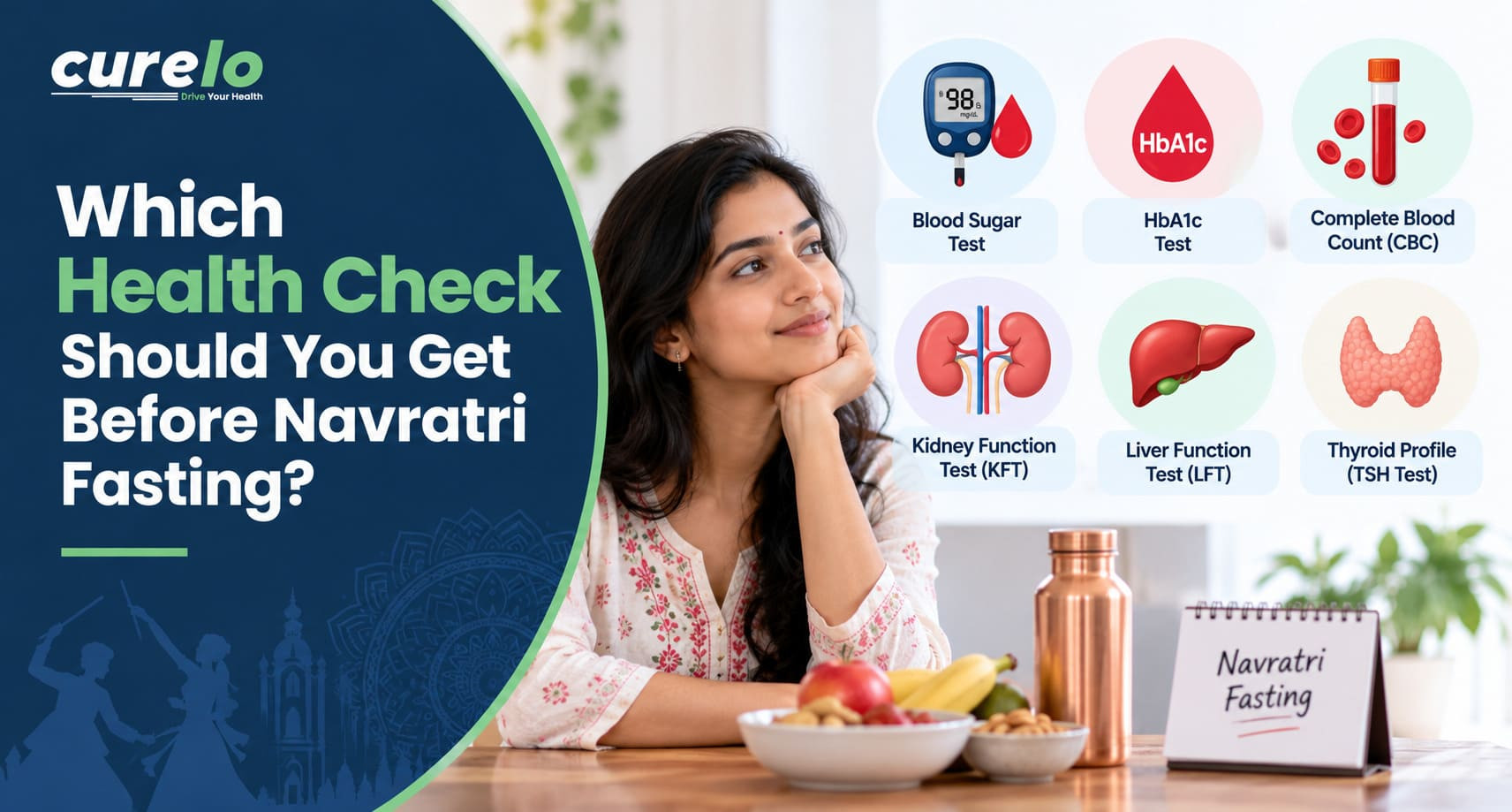
Which Health Check Should You Get Before Navratri Fasting?
The right health check depends on your age, symptoms, medical history, and risk factors. You do not necessarily need every available blood test before fasting.
However, certain tests may be useful for people who have specific health concerns.
1. Blood Sugar Test: An Important Check Before Fasting
If there is one test worth discussing with your doctor before Navratri fasting, especially if you have diabetes or are at risk of developing it, it is a blood sugar test.
Blood sugar, also called blood glucose, measures the amount of glucose present in your blood. Your body uses glucose as its main source of energy.
When you fast, the time between meals changes. This can affect blood sugar levels, particularly if you take insulin or medicines that can cause low blood sugar.
A blood sugar test before fasting can help you understand your current glucose levels and whether you need additional precautions.
Depending on your health needs, your doctor may recommend one of the following tests.
- Fasting blood sugar test: This test measures your blood glucose after you have not eaten for at least eight hours. It is commonly used to screen for diabetes and prediabetes.
- Post-meal blood sugar test: This test measures blood glucose after eating. The timing depends on the test prescribed by your doctor.
- HbA1c test: This test estimates your average blood sugar levels over approximately the past two to three months. It can help identify diabetes or prediabetes and monitor existing diabetes.
Your doctor can help you decide which test is appropriate. Remember that a fasting blood sugar test requires preparation and should be scheduled separately from your religious fast. Follow the laboratory's instructions.
If you want to compare available blood sugar tests, prices, and partner laboratories, Curelo can help you explore diagnostic testing options and book a test through its platform.
2. HbA1c Test: Useful for Understanding Long-Term Blood Sugar Levels
A single blood sugar reading shows your glucose level at a particular time. However, it does not always explain what your blood sugar levels have been doing over the past few months.
That is where the HbA1c test can help.
This test measures the percentage of haemoglobin in your red blood cells that has glucose attached to it. Since red blood cells live for around three months, the test provides an estimate of your average blood sugar levels during that period.
An HbA1c test may be particularly useful if you:
- Have diabetes and want to review your glucose control before fasting.
- Have a family history of diabetes.
- Are overweight or have other risk factors for diabetes.
- Have previously been diagnosed with prediabetes.
- Have symptoms that may require diabetes screening.
An HbA1c test usually does not require fasting. However, it should not replace day-to-day glucose monitoring for people who need it.
If you already have diabetes, speak with your doctor about whether fasting is appropriate for you. A normal or improved HbA1c result does not automatically mean that fasting is safe.
3. Blood Pressure Check: Especially If You Take Medication
Blood pressure is another important part of your overall health assessment.
Some people experience dizziness or weakness during fasting because of dehydration, changes in food intake, or medication effects. These symptoms can sometimes be associated with low blood pressure.
People with high blood pressure may also need to review their medication schedules before fasting, especially if they take medicines that increase fluid loss.
A blood pressure check may be helpful if you:
- Have a history of high or low blood pressure.
- Regularly experience dizziness or faintness.
- Take medication for blood pressure.
- Have a heart or kidney condition.
Do not stop or change your medication on your own. Your doctor can advise you on whether any adjustments are necessary.
4. Kidney Function Test: For People With Existing Kidney Problems
Your kidneys help remove waste from your blood and maintain the body's fluid and mineral balance.
Dehydration can put additional strain on the kidneys, particularly in people who already have kidney disease.
A kidney function test may be recommended if you have an existing kidney condition, certain long-term health problems, or symptoms that require investigation.
Depending on your medical history, your doctor may suggest blood tests such as serum creatinine and an estimated glomerular filtration rate (eGFR). A urine test may also be needed.
However, kidney function testing is not necessary for everyone planning to fast. It should be based on your medical needs.
5. Complete Blood Count (CBC): If You Often Feel Weak or Tired
Do you frequently feel tired, dizzy, or short of breath during everyday activities?
These symptoms can have several causes, including anaemia, dehydration, inadequate nutrition, and other medical conditions.
A complete blood count (CBC) measures different components of your blood, including red blood cells, white blood cells, haemoglobin, and platelets.
Your doctor may recommend a CBC if you have persistent fatigue, a history of anaemia, heavy menstrual bleeding, or other symptoms that need evaluation.
If a nutrient deficiency is suspected, additional tests, such as vitamin B12 or iron studies, may be recommended.
You do not need to get a CBC simply because you are fasting. The purpose is to investigate existing symptoms or medical concerns.
Who Should Be Extra Careful About Navratri Fasting?
Although many people can observe fasting without major problems, some groups need extra medical guidance.
People With Diabetes
People with diabetes may experience low blood sugar, high blood sugar, or dehydration while fasting. The risk depends on their treatment, glucose control, meal pattern, and other health conditions.
This is especially important for people taking insulin or certain medicines that can cause hypoglycaemia, which means dangerously low blood sugar.
If you have diabetes, consult your doctor before fasting. You may need a personalised meal plan, a glucose-monitoring schedule, or changes to your medication under medical supervision.
Pregnant or Breastfeeding Women
Pregnancy and breastfeeding can increase nutritional and fluid requirements. Fasting may not be appropriate for everyone during these periods.
Speak with your obstetrician or healthcare professional before deciding to fast, particularly if you have anaemia, gestational diabetes, or other pregnancy-related concerns.
Older Adults
Older adults may be more vulnerable to dehydration, low blood pressure, and medication-related complications.
People who have multiple health conditions or take several medicines should discuss fasting with their doctor beforehand.
People With Chronic Health Conditions
If you have kidney disease, heart disease, a history of eating disorders, or another condition affected by changes in food and fluid intake, seek medical advice before fasting.
The goal is not to discourage religious practices. It is to help you make a decision that protects your health.
Navratri Vrat Health Tips: How to Fast More Safely
Getting the right health check is only one part of preparing for Navratri. Your daily habits during the fasting period also matter.
Here are some practical Navratri fasting tips to help you take better care of yourself.
1. Do Not Skip Balanced Meals
Vrat-friendly food does not have to mean eating very little.
Include a variety of foods allowed by your fasting tradition, such as fruits, vegetables, nuts, dairy products, and appropriate protein sources.
For example, you could have yoghurt with fruit, paneer with vegetables, or a balanced meal containing permitted grains or starchy foods.
Try to avoid relying entirely on fried snacks, sweets, and sugary drinks. These foods may provide calories but can leave your overall diet lacking in essential nutrients.
2. Drink Enough Water When Permitted
If your fasting routine allows water, drink it regularly throughout the day.
Water supports normal body functions and helps prevent dehydration. Coconut water and other drinks may be suitable for some people, but they are not necessary for everyone.
People with kidney or heart conditions who have been advised to restrict fluids should follow their doctor's recommendations instead.
3. Avoid Overeating After Breaking Your Fast
After several hours without food, it can be tempting to eat a very large meal.
Instead, start with a moderate portion and eat slowly. Include a mix of foods that provide carbohydrates, protein, and other nutrients.
For instance, a meal containing curd, paneer, vegetables, and permitted grains or potatoes can be more balanced than a meal made entirely of fried snacks and sweets.
4. Get Enough Sleep and Avoid Overexertion
Fasting can change your energy levels, especially during the first few days.
Try to maintain a regular sleep schedule and avoid pushing yourself through intense workouts if you feel weak or dizzy. Gentle activity may be suitable for many people, but your needs will depend on your health and fitness level.
If you feel unwell, do not ignore the symptoms just to complete your fast.
5. Know When to Stop Fasting
Pay attention to symptoms such as severe dizziness, confusion, fainting, unusual weakness, or persistent vomiting.
If you have diabetes, symptoms of low blood sugar require particular attention. If possible, check your glucose level immediately. If it is below 70 mg/dL, follow your prescribed hypoglycaemia treatment plan and do not continue fasting while your blood sugar remains low.
Seek urgent medical help for severe symptoms, including confusion, loss of consciousness, or inability to swallow safely.
Do not wait for symptoms to become severe before seeking help.
Diabetic Fasting Navratri: What Should You Keep in Mind?
For people living with diabetes, fasting requires additional planning.
The keyword diabetic fasting Navratri is especially relevant because a religious fast can change both food intake and medication timing.
Here are some important precautions.
- Speak with your doctor before starting: Your doctor can assess whether fasting is suitable based on your glucose control, medicines, and other health conditions.
- Monitor your blood sugar: Follow the monitoring schedule recommended by your healthcare professional. Checking your glucose is important if you use insulin or medicines that can cause low blood sugar.
- Do not change medicines independently: Never skip, reduce, or reschedule diabetes medication without medical advice.
- Plan your meals carefully: Choose balanced meals within the rules of your fast. Avoid consuming large amounts of sweets or sugary drinks when breaking your fast.
- Understand when fasting should stop: Low blood sugar, very high blood sugar, dehydration, or feeling seriously unwell may require you to end your fast and seek medical guidance.
There is no single fasting plan that works for everyone with diabetes. Your safety depends on your individual condition and treatment.
If you have diabetes and are planning to observe Navratri, a pre-fast consultation is more important than simply getting a blood test. Testing can provide useful information, but it cannot replace personalised medical advice.
How Can Curelo Help You Prepare for Navratri?
Preparing for a fast can involve several decisions, from understanding which tests may be useful to comparing prices and choosing a laboratory.
Curelo is a diagnostic discovery platform that helps you compare available tests and health packages across partner laboratories based on factors such as price, test details, and other available information.
You can explore the options relevant to your needs and book a test through the platform. The selected laboratory performs the test and provides the report.
If you are unsure which test to choose, consult a healthcare professional first. The right test depends on your symptoms, risk factors, and medical history.
Conclusion
Navratri fasting is a meaningful tradition, but your health should remain a priority throughout the nine days.
Before you begin, consider whether you have any existing health conditions, take medicines that may be affected by fasting, or experience symptoms that need medical attention.
A blood sugar test before fasting may be particularly useful for people with diabetes or an increased risk of developing it. Depending on your health, your doctor may also recommend an HbA1c test, blood pressure check, kidney function test, or CBC.
At the same time, remember that testing is not a requirement for every healthy person before every fast. The right approach is to choose health checks based on your individual needs.
Eat balanced meals, stay hydrated when permitted, get enough rest, and take warning signs seriously. If you have a chronic health condition, speak with your doctor before changing your eating schedule.
This Navratri, make room for both devotion and self-care. A little preparation can help you approach your fast with greater awareness and confidence.
FAQs
1. Which blood test should I get before Navratri fasting?
A blood sugar test may be useful if you have diabetes, a family history of diabetes, or other risk factors. Your doctor may recommend a fasting blood sugar test, an HbA1c test, or another glucose test depending on your medical history.
If you have existing health conditions or persistent symptoms such as fatigue or dizziness, additional tests may be appropriate. These could include a CBC or kidney function tests, but they are not necessary for everyone.
The best approach is to discuss your health concerns with a doctor before deciding which tests you need.
2. Is a blood sugar test necessary before fasting?
No, a blood sugar test is not necessary for every healthy adult before fasting. However, it may be recommended if you have diabetes, prediabetes, a family history of diabetes, or symptoms that could indicate a blood sugar problem.
People with diabetes should speak with their healthcare professional before fasting because changes in meals and medication schedules can increase the risk of low or high blood sugar.
Even if you get tested, remember that one normal reading does not guarantee that your blood sugar will remain stable throughout the fasting period.
3. Can diabetic patients fast during Navratri?
Some people with diabetes may be able to fast with appropriate medical planning, while fasting may be unsafe for others.
The decision depends on factors such as diabetes control, the type of medication being used, a history of low blood sugar, kidney function, and other health conditions.
Consult your doctor before beginning the fast. You may need a personalised meal plan, regular glucose monitoring, and medication adjustments under medical supervision.
Do not stop taking your medicines or change their timing on your own. If you experience low blood sugar, severe weakness, confusion, or other concerning symptoms, stop fasting and seek appropriate medical care.
4. What should I eat during Navratri fasting to maintain energy?
Choose a variety of foods permitted by your fasting tradition rather than depending only on fried snacks or sweets.
Depending on your dietary practices, you can include fruits, vegetables, nuts, curd, milk, paneer, and permitted grains or starchy foods. Combining different food groups helps provide energy, protein, vitamins, minerals, and fibre.
For example, curd with fruit, paneer with vegetables, or a balanced vrat-friendly meal can be more nutritious than eating only fried potatoes and sweets.
If you have diabetes, consult your doctor or dietitian about portions and carbohydrate choices, as fasting foods can also affect blood sugar levels.
Need Help In Booking a Lab Test?
Share Your Details, We Will Call You Right Back!
Recent Posts

Blood Test Near Me in Delhi NCR: Compare Labs & Prices

Male Infertility: Symptoms, Sperm Count Test & Diagnosis

बच्चों में Tech Neck: स्क्रीन टाइम से गर्दन दर्द के कारण, लक्षण और बचाव

Lifestyle Diseases in Your 20s & 30s: Risks, Tests & Prevention
