


 Login / Sign Up

Blog

Menopause in Indian Women: Early Signs, Symptoms, and Tests to Get Done
Menopause is a natural stage of life, but the changes that come with it can sometimes feel confusing. Many Indian women experience irregular periods, hot flashes, mood changes, sleep problems, and tiredness without realising that these could be linked to menopause. Some women notice these changes in their early 40s, while others experience them closer to their 50s.
Because conversations about menopause are still limited in many Indian households, women may ignore their symptoms or assume that they are simply a part of ageing. However, understanding the early signs of menopause can help women manage their health better and know when to seek medical advice.
So, what is menopause, when does it usually begin, and which tests may be needed? Let's understand the menopause symptoms, the changes that happen before menopause, and the tests that can help assess your health during this stage.
What Is Menopause?
Menopause is the stage of life when a woman stops having menstrual periods permanently because her ovaries produce less oestrogen and progesterone. A woman is generally considered to have reached menopause after she has gone 12 consecutive months without a period, provided there is no other medical reason for the absence of menstruation.
Menopause is not a disease. It is a natural biological process that marks the end of the reproductive years.
However, the hormonal changes associated with menopause can affect several parts of the body, including the bones, heart, skin, sleep cycle, and emotional well-being. This is why understanding the symptoms and knowing when to consult a doctor is important.
What Is the Usual Menopause Age in Indian Women?
The menopause age can vary from one woman to another. Many women experience natural menopause between the ages of 45 and 55, although it can happen earlier or later.
In India, menopause is often reported to occur around the late 40s to early 50s, but the timing varies depending on individual health, genetics, lifestyle, and other factors.
Here is a simple breakdown of the different stages:
- Before 40 years: Menopause is considered early if it occurs between 40 and 45 years, and premature if ovarian function stops before 40. Medical assessment is important if periods stop or become irregular at these ages.
- Between 40 and 45 years: Some women begin experiencing perimenopause symptoms, while others may reach menopause during this period.
- Between 45 and 55 years: This is the common age range for natural menopause.
- After 55 years: Some women experience menopause later than average.
The menopause age can also be affected by smoking, certain medical treatments, surgery involving the ovaries, and some health conditions.
Remember, age alone cannot confirm menopause. The pattern of your periods, symptoms, medical history, and, when needed, test results help a healthcare professional assess what is happening.
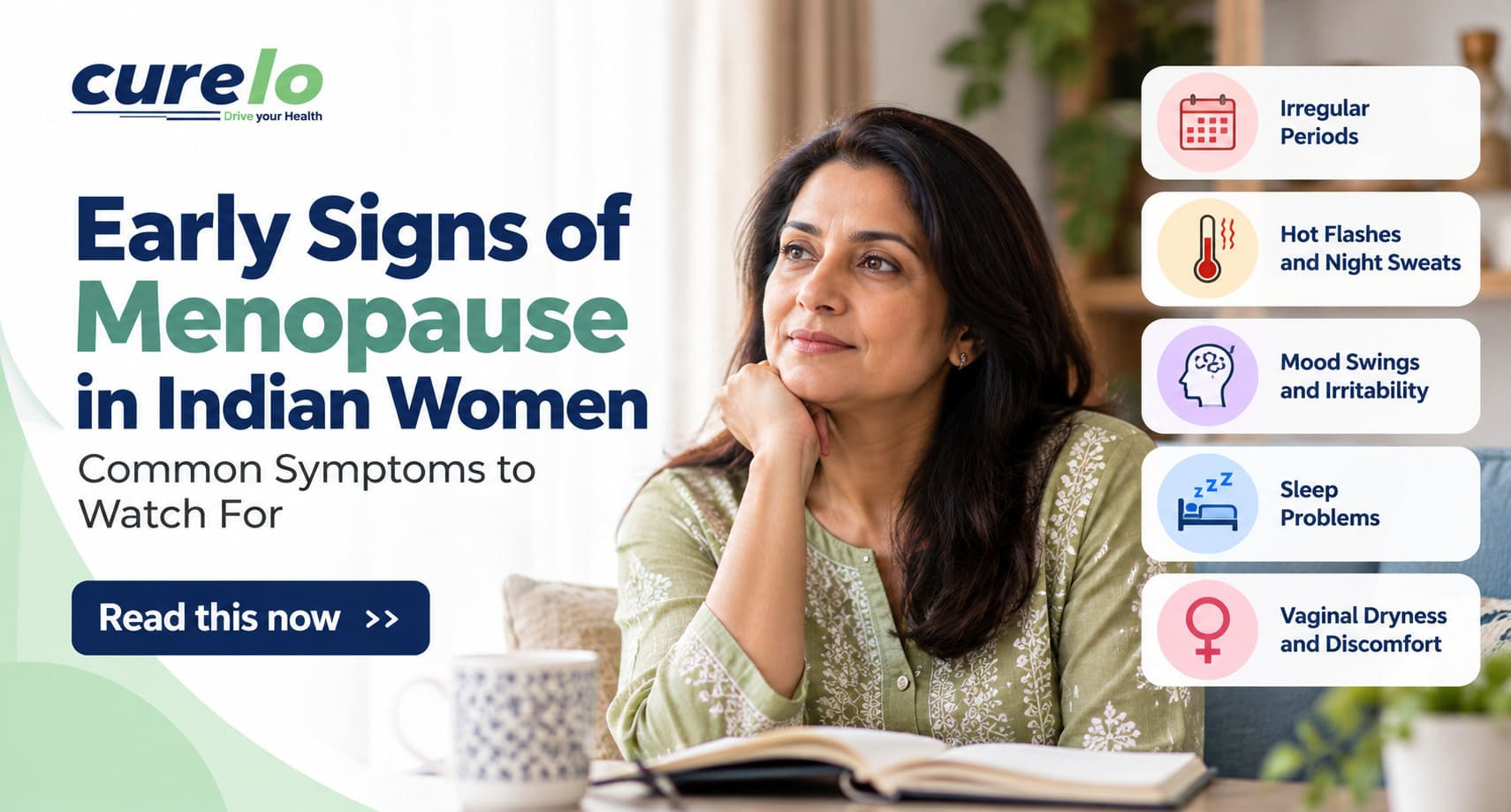
What Are the Early Signs of Menopause?
The first signs of menopause may appear gradually. Some women notice changes in their periods, while others experience sleep problems or sudden feelings of heat before their menstrual cycles become irregular.
These changes often occur during perimenopause, the transition leading up to menopause.
1. Irregular Periods
One of the earliest signs is a change in the menstrual cycle. Your periods may come earlier than expected, arrive late, or become less predictable.
You may also notice that your bleeding is lighter or heavier than usual. These changes happen because hormone levels fluctuate during perimenopause.
However, unusually heavy bleeding, bleeding between periods, or bleeding after menopause should not be ignored. Consult a gynaecologist to identify the cause.
2. Hot Flashes and Night Sweats
Hot flashes are among the most recognised menopause symptoms. You may suddenly feel intense warmth in your face, neck, or chest, even when the weather is cool.
Some women also experience sweating, a rapid heartbeat, or redness of the skin. When hot flashes occur during sleep, they may cause night sweats and interrupt your rest.
In India's warm climate, it can be easy to blame these episodes on the weather. However, repeated episodes of sudden heat, especially alongside menstrual changes, may be related to hormonal fluctuations.
3. Mood Swings and Irritability
Do you find yourself feeling irritated, anxious, or emotional more often than before?
Hormonal changes, poor sleep, stress, and other life changes can affect your mood during perimenopause. Some women experience increased anxiety or low mood, while others notice that they feel less emotionally balanced.
These changes are not a sign of weakness. If mood changes become persistent or start affecting your daily life, speak with a healthcare professional.
4. Sleep Problems
Difficulty falling asleep, waking up frequently, or feeling tired even after a full night's rest can occur during the menopause transition.
Night sweats may be one reason, but hormonal changes, stress, and other health conditions can also affect sleep.
If sleep problems continue for several weeks, it is worth discussing them with a doctor rather than assuming they are unavoidable.
5. Vaginal Dryness and Reduced Sexual Comfort
Lower oestrogen levels can cause the vaginal tissues to become drier and less elastic. This may lead to itching, irritation, discomfort during sex, or changes in urinary health.
These symptoms are common but do not need to be silently tolerated. A doctor can recommend suitable treatments based on your symptoms and medical history.
6. Changes in Energy, Weight, and Body Shape
Some women notice increased tiredness, gradual weight gain, or more fat around the abdomen during midlife.
Hormonal changes may contribute, but ageing, reduced muscle mass, sleep disturbances, diet, and physical activity also play important roles.
Persistent fatigue should not automatically be blamed on menopause. Conditions such as anaemia, thyroid disorders, and diabetes can cause similar symptoms and may need separate evaluation.
7. Joint Pain, Headaches, and Brain Fog
Some women experience joint stiffness, muscle aches, headaches, or difficulty concentrating during perimenopause and menopause.
You may find it harder to remember small details or focus on work. These symptoms can be frustrating, especially when you are balancing work, family responsibilities, and personal health.
Although these changes may occur during menopause, they can also have other causes. A medical assessment can help you understand what is contributing to them.
What Are Perimenopause Symptoms?
Perimenopause is the transition period before menopause. During this stage, hormone levels fluctuate, and the menstrual cycle may become unpredictable.
Some women experience symptoms for a few months, while others notice changes over several years. Symptoms also differ in intensity from person to person.
Common perimenopause symptoms include:
- Irregular periods or skipped menstrual cycles
- Hot flashes and night sweats
- Mood swings, anxiety, or irritability
- Difficulty sleeping
- Vaginal dryness
- Reduced sexual desire
- Changes in weight and body shape
- Difficulty concentrating
- Joint pain and tiredness
It is important to understand that not every woman experiences all these symptoms. Some women have very mild changes, while others find that their symptoms affect their daily routine.
If you are experiencing these changes, maintain a record of your periods and symptoms. This information can help your gynaecologist understand the pattern and recommend suitable care.
Which Menopause Tests Should You Get Done?
One common question women ask is whether a blood test can confirm menopause.
The answer is that there is no single menopause test that every woman needs. In women aged 45 and above who have typical symptoms and menstrual changes, doctors can often identify perimenopause or menopause based on medical history and symptoms without hormone testing.
However, certain tests may be useful if you have symptoms at a younger age, unusual bleeding, persistent fatigue, or other health concerns.
1. Follicle-Stimulating Hormone (FSH) Test
FSH is a hormone that helps regulate the menstrual cycle and ovarian function. Its levels can rise as ovarian function declines.
A doctor may recommend an FSH blood test if menopause is suspected before age 45, particularly before age 40. However, FSH levels can fluctuate during perimenopause, so a single result may not provide a clear answer.
Hormonal contraception and some hormonal treatments can also affect how results are interpreted.
2. Thyroid Function Test
Thyroid problems can cause symptoms that resemble menopause, including tiredness, mood changes, weight changes, and irregular periods.
A thyroid function test, which commonly includes TSH and may include other thyroid hormone measurements, can help identify thyroid disorders when clinically indicated.
Your doctor may recommend this test if your symptoms suggest a possible thyroid problem.
3. Complete Blood Count (CBC)
A CBC measures different components of your blood, including haemoglobin and red blood cells.
It may be recommended if you experience persistent fatigue, weakness, dizziness, or heavy menstrual bleeding. These symptoms can sometimes be associated with anaemia.
A CBC does not diagnose menopause, but it can help identify another condition that may be contributing to how you feel.
4. Blood Sugar Test or HbA1c
Hormonal changes, ageing, sleep patterns, and changes in body composition can influence metabolic health during midlife.
A blood glucose test or HbA1c may be recommended depending on your age, symptoms, medical history, and diabetes risk factors. HbA1c estimates your average blood sugar over approximately the previous two to three months.
These tests do not confirm menopause. They help assess blood sugar levels and identify diabetes or prediabetes when present.
5. Lipid Profile
Oestrogen levels decline during the menopause transition, and cholesterol levels and cardiovascular risk can change during midlife.
A lipid profile measures cholesterol and triglycerides in the blood. Your doctor may recommend it based on your age, previous results, family history, and other risk factors.
It is useful for assessing heart health, but it is not a diagnostic menopause test.
6. Vitamin D and Vitamin B12 Tests
Vitamin D supports bone health, while vitamin B12 helps maintain healthy nerves and red blood cells.
Low levels may contribute to symptoms such as fatigue, muscle weakness, or certain types of nerve-related problems. However, these symptoms have many possible causes.
Your doctor may suggest vitamin D or B12 testing if your symptoms, diet, medical history, or risk factors indicate a need.
7. Bone Mineral Density (DEXA) Scan
Oestrogen plays an important role in maintaining bone strength. Bone loss can accelerate around menopause, increasing the risk of osteoporosis.
A DEXA scan measures bone mineral density and may be recommended for women with risk factors such as early menopause, a history of fractures, certain long-term medications, or other risks for osteoporosis.
It is not required for every woman reaching menopause. Your doctor can help determine the right time for screening.
8. Pelvic Ultrasound or Other Tests, If Needed
If you experience heavy bleeding, bleeding between periods, pelvic pain, or other unusual symptoms, your doctor may recommend a pelvic examination, ultrasound, or additional investigations.
These tests help assess possible causes such as fibroids, polyps, or other gynaecological conditions. They do not routinely confirm menopause.
How Can Indian Women Manage Menopause Symptoms?
Although menopause is a natural stage of life, you do not have to live with uncomfortable symptoms without support. A few lifestyle changes, regular health check-ups, and appropriate treatment can make this transition easier.
1. Eat a Balanced Diet
Include a variety of foods that support bone health, muscle strength, and overall well-being.
Some helpful choices include:
- Calcium-rich foods: Milk, curd, paneer, ragi, and calcium-rich fortified foods.
- Protein-rich foods: Dal, beans, eggs, fish, chicken, paneer, and tofu.
- Vitamin D sources: Fortified foods, eggs, and oily fish.
- Fruits and vegetables: Include a variety of seasonal produce in your daily meals.
- Whole grains: Choose whole wheat, oats, millets, and other fibre-rich options.
You do not need an expensive diet or special menopause supplements to stay healthy. Focus on balanced meals and discuss supplements with your doctor if required.
2. Stay Physically Active
Regular physical activity can support bone health, improve sleep, and help maintain a healthy weight.
Walking, cycling, yoga, and strength-training exercises are useful options. Choose activities that suit your fitness level and medical needs.
If you have joint pain or another health condition, speak with a healthcare professional before starting a new exercise routine.
3. Improve Your Sleep Routine
Try to sleep and wake up at consistent times. Keep your bedroom comfortable, reduce screen use before bed, and limit caffeine later in the day.
If night sweats disturb your sleep, lightweight clothing, breathable bedsheets, and a cooler sleeping environment may help.
4. Seek Medical Advice for Persistent Symptoms
If hot flashes, mood changes, vaginal dryness, or sleep problems affect your quality of life, consult a gynaecologist.
Depending on your symptoms and medical history, your doctor may discuss non-hormonal treatments, hormone therapy, or other options. Hormone therapy is not suitable for everyone, so treatment decisions should be individualised.
Regular health checks can also help identify conditions such as diabetes, high cholesterol, thyroid disorders, and osteoporosis when screening is appropriate.
When Should You Consult a Doctor?
Do not assume that every change in your body is caused by menopause. Seek medical advice if:
- Your periods stop or become irregular before the age of 45.
- You experience unusually heavy or prolonged bleeding.
- You have persistent fatigue, unexplained weight changes, or severe mood symptoms.
- You experience symptoms that interfere with sleep, work, or daily activities.
- You notice any vaginal bleeding after 12 months without periods.
If you are unsure which health checks you need, speak with your doctor first. You can then use Curelo to compare relevant diagnostic tests and packages, helping you make an informed decision about your health.
Conclusion
Menopause is a natural part of ageing, but the changes it brings deserve attention and care. Recognising early signs, understanding perimenopause symptoms, and knowing when to consult a doctor can help women feel more prepared for this stage of life.
The menopause age varies, and not every woman needs a hormone test to confirm it. The focus should be on understanding your symptoms, ruling out other possible causes, and monitoring your health as you grow older.
Your health deserves attention at every age. If you are experiencing changes in your periods, sleep, mood, or energy levels, start by speaking with a healthcare professional. With the right guidance, lifestyle changes, and relevant health checks, you can navigate menopause with greater confidence.
FAQs
1. What is the normal menopause age in Indian women?
Menopause commonly occurs between 45 and 55 years, although the exact age varies from person to person. Many Indian women experience menopause around their late 40s or early 50s.
Genetics, medical history, smoking, and certain treatments can influence when menopause occurs. If your periods stop before 45, consult a doctor to check whether you are experiencing early menopause or another health condition.
2. What are the first signs of menopause?
The first signs are often changes in your menstrual cycle. Your periods may become irregular, lighter, heavier, or less frequent.
Other early signs may include hot flashes, night sweats, mood swings, sleep disturbances, vaginal dryness, and difficulty concentrating. You may experience only a few symptoms rather than all of them.
If these changes begin earlier than expected or are accompanied by unusual bleeding, a medical assessment can help identify the cause.
3. Which blood test confirms menopause?
There is no single blood test that routinely confirms menopause in every woman. For women aged 45 or older with typical symptoms and menstrual changes, doctors can usually make a clinical assessment without hormone tests.
An FSH test may be useful in selected cases, particularly when menopause is suspected before age 45. Depending on your symptoms, a doctor may also recommend thyroid function, CBC, blood sugar, or other tests to investigate alternative causes.
The right tests depend on your age, medical history, and symptoms.
4. Can menopause start at 40?
Yes, menopause can occur around the age of 40, although it is earlier than usual. Menopause between 40 and 45 is generally described as early menopause, while menopause before 40 is considered premature.
If you are around 40 and experience irregular periods, hot flashes, or other menopause-related symptoms, consult a gynaecologist. Early menopause may have implications for bone health and long-term health, so appropriate evaluation and management are important.
5. Can menopause symptoms start even when periods are regular?
Yes. Some women experience hot flashes, sleep disturbances, mood changes, or other symptoms before their periods become noticeably irregular.
However, these symptoms can also be caused by stress, thyroid problems, medication effects, or other conditions. Regular periods do not completely rule out the early stages of the menopause transition, but symptoms alone cannot confirm it.
If the symptoms persist or affect your daily life, discuss them with your doctor.
6. What tests should women get during menopause?
There is no fixed list of tests that every woman needs during menopause. Your doctor may recommend a CBC for suspected anaemia, thyroid testing for relevant symptoms, blood sugar or HbA1c for diabetes risk, and a lipid profile to assess cholesterol. Vitamin D, vitamin B12, and a DEXA bone density scan may also be appropriate in selected cases.
These tests assess specific health concerns rather than confirm menopause. Your age, symptoms, family history, and existing conditions should guide the decision about which tests to get.
Need Help In Booking a Lab Test?
Share Your Details, We Will Call You Right Back!
Recent Posts

5 Blood Test Labs in Gurugram: Compare Before Booking

Blood Test Price List in Gurugram (2026): Test Costs & Packages

Blood Test Price List in Delhi 2026: Test Costs & Packages

Ultra-Processed Foods in India: Health Risks, Common Examples and Tests to Get Done
