


 Login / Sign Up


Blog

Healthy Indian Diet Chart for Common Health Conditions: Diabetes, Thyroid, BP, and Cholesterol
Overview
- Understand the importance of a healthy diet chart for managing common health conditions.
- Explore an Indian diet plan for diabetes, including foods to eat and avoid.
- Learn which foods support thyroid health and help meet essential nutritional requirements.
- Discover the best foods to include and limit when managing high blood pressure.
- Understand how a balanced diet chart can help manage high cholesterol.
- Explore a sample daily diet chart for overall good health.
- Learn about common healthy eating mistakes and how to avoid them.
- Understand the role of regular health checkups in monitoring diabetes, thyroid, BP, and cholesterol.
- Discover simple lifestyle habits that support better health and overall well-being.
Eating healthy does not always mean following a strict diet, avoiding your favourite foods, or giving up everything you enjoy. Sometimes, small changes in everyday eating habits can make a big difference to your overall health.
However, when you have a health condition such as diabetes, thyroid problems, high blood pressure, or high cholesterol, your food choices become even more important. What you eat can affect your blood sugar levels, thyroid function, blood pressure, and heart health.
The good news is that you do not need to follow complicated diets or depend on expensive imported foods to eat better. A simple Indian diet plan made with everyday ingredients such as dal, roti, vegetables, curd, fruits, whole grains, nuts, and seeds can support better health.
The key is to understand which foods to include, which ones to limit, and how to balance your meals according to your health needs.
Why Is a Healthy Diet Important for Managing Health Conditions?
Food provides the nutrients and energy your body needs to function properly. But the right food choices can also help manage certain health conditions and reduce the risk of complications.
For example:
- Diabetes: A balanced diet helps manage blood sugar levels and supports better insulin sensitivity.
- Thyroid disorders: Adequate iodine, selenium, zinc, and other nutrients support normal thyroid function.
- High blood pressure: Reducing excess salt and eating potassium-rich foods can help support healthy blood pressure.
- High cholesterol: Eating more fibre and healthy fats while limiting saturated and trans fats can support better cholesterol levels.
This does not mean food alone can cure these conditions. Medication, regular medical checkups, physical activity, and other lifestyle changes may also be necessary.
A healthy diet chart should be practical, nutritious, and suited to your individual health needs, not a one-size-fits-all approach.
Healthy Indian Diet Chart for Diabetes
Diabetes is a condition in which the body cannot produce enough insulin or use it effectively. This leads to higher-than-normal blood glucose levels.
People with diabetes often worry about eating rice, roti, potatoes, fruits, and other carbohydrate-rich foods. However, you do not necessarily need to eliminate these foods from your diet.
The important thing is to understand portion sizes, choose better carbohydrate sources, and combine carbohydrates with protein and fibre.
Foods to Include in a Diabetes-Friendly Diet
A diabetes-friendly Indian diet should focus on foods that provide fibre, protein, vitamins, and minerals.
1. Whole grains
Choose whole grains that provide fibre and help support better blood sugar management.
Examples include:
- Whole wheat roti
- Oats
- Barley (jau)
- Dalia
- Millets such as ragi and jowar
- Brown rice
You can also combine different grains to add variety to your meals.
2. Protein-rich foods
Protein can make meals more filling and help reduce sudden hunger.
Good options include:
- Moong dal
- Masoor dal
- Rajma
- Chana
- Paneer
- Eggs
- Fish
- Chicken
- Unsweetened curd
3. Fibre-rich vegetables
Non-starchy vegetables are excellent additions to a diabetes-friendly meal.
Include:
- Spinach
- Lauki
- Bhindi
- Beans
- Cauliflower
- Cabbage
- Cucumber
- Capsicum
- Broccoli
4. Fruits in controlled portions
People with diabetes do not have to avoid fruits completely. Whole fruits provide fibre, vitamins, and antioxidants.
Suitable options include:
- Apple
- Guava
- Orange
- Papaya
- Pear
- Berries
Prefer whole fruits over fruit juices because juices contain less fibre and can raise blood sugar more quickly.
Indian Diet Chart for Diabetes
Here is a sample daily meal plan for someone with diabetes.
| Meal | Food Options |
|---|---|
| Early morning | Plain water or unsweetened herbal tea |
| Breakfast | Vegetable oats, besan chilla, or 2 small moong dal chillas |
| Mid-morning | One small apple or guava |
| Lunch | 2 small whole wheat rotis, dal, one bowl of vegetables, salad, and plain curd |
| Evening Snack | Roasted chana, a small handful of nuts, or sprouts |
| Dinner | 1–2 small rotis, grilled paneer or chicken, and cooked vegetables |
| Bedtime | Unsweetened milk, if suitable and needed |
Portions should be adjusted according to blood sugar levels, activity, medication, and individual nutritional requirements.
Foods to Limit If You Have Diabetes
Some foods can make blood sugar management more difficult, especially when consumed frequently or in large portions.
Try to limit:
- Sugary drinks and packaged juices
- Sweets, cakes, pastries, and biscuits
- Refined flour products such as maida-based snacks
- Excessive white rice portions
- Sweetened breakfast cereals
- Deep-fried snacks
- Foods with added sugar
You do not have to stop eating your favourite foods completely. Focus on portion control and how frequently you consume them.
Simple Tips for Better Blood Sugar Management
- Avoid skipping meals, especially if you take diabetes medication.
- Combine carbohydrates with protein and fibre.
- Choose whole fruits instead of fruit juices.
- Include vegetables in your main meals.
- Monitor your blood sugar regularly as advised by your doctor.
- Stay physically active and maintain a consistent meal routine.
Healthy Indian Diet Chart for Thyroid Problems
The thyroid is a small, butterfly-shaped gland located in the neck. It produces hormones that regulate metabolism, energy levels, body temperature, and several other important functions.
Thyroid disorders are commonly of two types:
- Hypothyroidism: The thyroid gland does not produce enough thyroid hormones.
- Hyperthyroidism: The thyroid gland produces more thyroid hormones than the body needs.
Dietary requirements can differ depending on the type of thyroid condition. However, eating a balanced diet with adequate nutrients is important for overall health.
Foods to Include in a Thyroid-Friendly Diet
1. Iodine-rich foods
Iodine is an essential mineral required for thyroid hormone production.
Good sources include:
- Iodised salt
- Milk
- Curd
- Eggs
- Fish
However, too much iodine can also affect thyroid function. Avoid taking iodine supplements or consuming excessive amounts of iodine-rich products without medical advice.
2. Selenium-rich foods
Selenium helps support thyroid hormone metabolism.
Include:
- Eggs
- Fish
- Chicken
- Sunflower seeds
- Whole grains
- Legumes
3. Zinc-rich foods
Zinc plays a role in normal thyroid hormone function.
Good sources include:
- Pumpkin seeds
- Chickpeas
- Lentils
- Dairy products
- Eggs
- Meat
4. Protein-rich foods
Protein is important for maintaining muscle strength and overall health.
Include:
- Paneer
- Dal
- Eggs
- Chicken
- Fish
- Curd
- Soy products
5. Fruits and vegetables
A variety of colourful fruits and vegetables can provide essential vitamins, minerals, and antioxidants.
Examples include:
- Apples
- Oranges
- Papaya
- Carrots
- Spinach
- Pumpkin
- Tomatoes
Indian Diet Chart for Thyroid Problems
Here is a sample Indian diet plan for someone with hypothyroidism.
| Meal | Food Options |
|---|---|
| Early morning | Water |
| Breakfast | Vegetable poha, vegetable upma, or besan chilla |
| Mid morning | One seasonal fruit |
| Lunch | 2 whole wheat rotis, dal, cooked vegetables, and curd |
| Evening snack | Roasted makhana, pumpkin seeds, or boiled eggs |
| Dinner | Vegetable khichdi with curd or roti with paneer/chicken and vegetables |
| Bedtime | A glass of milk, if suitable |
This is a general meal plan. People with hyperthyroidism may have different nutritional requirements, especially if they experience increased appetite or unintended weight loss.
Foods to Be Careful With If You Have Thyroid Problems
Some foods and nutrients need attention when managing thyroid conditions.
1. Soy products
Soy foods such as tofu and soy milk do not necessarily need to be avoided. However, they may interfere with the absorption of thyroid medication if consumed too close to the dose.
2. Cruciferous vegetables
Vegetables such as cabbage, cauliflower, broccoli, and kale are sometimes discussed as foods to avoid for thyroid problems.
However, normal portions of these vegetables, especially when cooked, are generally safe for most people. There is usually no need to eliminate them completely.
3. Excessive iodine
Too much iodine from supplements, seaweed, or certain products may worsen some thyroid conditions.
4. Highly processed foods
Packaged snacks, sugary drinks, and foods high in unhealthy fats should be limited because they offer fewer essential nutrients.
Important Tips for People With Thyroid Problems
- Take thyroid medication as prescribed by your doctor.
- If you take levothyroxine, it is generally taken on an empty stomach with water, 30–60 minutes before breakfast.
- Keep calcium and iron supplements at least four hours apart from levothyroxine, unless your doctor advises otherwise.
- Avoid taking thyroid supplements without medical guidance.
- Get regular thyroid function tests as recommended.
A thyroid profile, which commonly includes TSH and may include T3 and T4, helps doctors assess thyroid function.
Healthy Indian Diet Chart for High Blood Pressure (BP)
High blood pressure, also known as hypertension, occurs when the force of blood against the artery walls remains consistently high.
If left unmanaged, it can increase the risk of heart disease, stroke, and kidney problems.
One of the most important dietary changes for people with high BP is reducing excess sodium intake.
The DASH (Dietary Approaches to Stop Hypertension) eating pattern is commonly recommended for blood pressure management. It focuses on fruits, vegetables, whole grains, low-fat dairy, legumes, nuts, and lean proteins.
An Indian version of this eating pattern can be created using everyday foods.
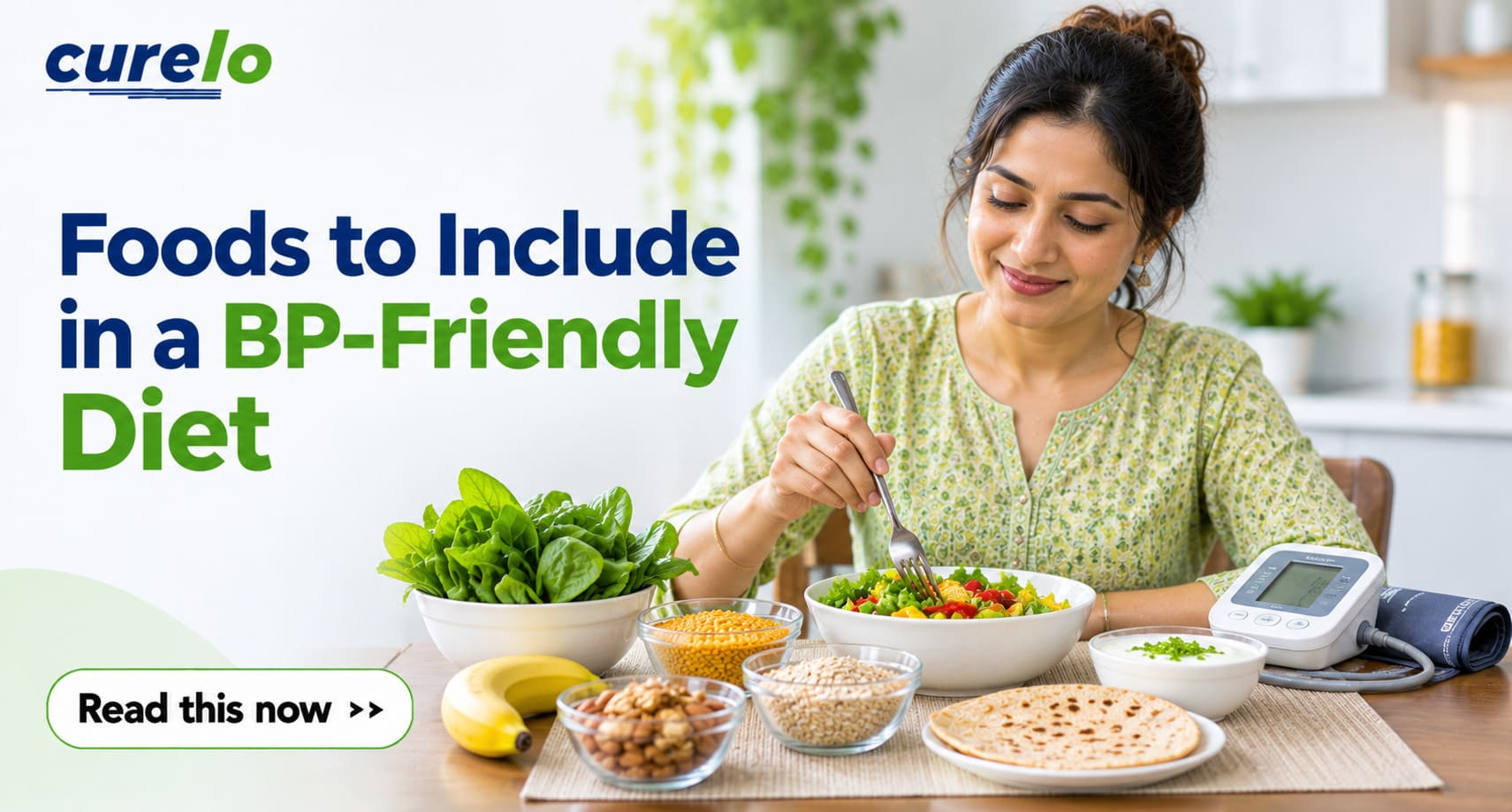
Foods to Include in a BP-Friendly Diet
1. Potassium-rich foods
Potassium helps balance sodium levels in the body and supports healthy blood pressure.
Include:
- Bananas
- Spinach
- Sweet potatoes
- Tomatoes
- Beans
- Lentils
- Oranges
2. Whole grains
Whole grains provide fibre and other nutrients that support heart health.
Good options include:
- Whole wheat roti
- Oats
- Brown rice
- Dalia
- Jowar
- Bajra
3. Fruits and vegetables
Try to include a variety of seasonal fruits and vegetables every day.
Examples:
- Papaya
- Guava
- Apples
- Oranges
- Cucumber
- Spinach
- Lauki
- Carrots
4. Low-fat dairy products
Milk, curd, and other dairy products can provide calcium and protein.
Choose unsweetened, low-fat options when suitable.
5. Healthy fats
Include moderate amounts of:
- Almonds
- Walnuts
- Flaxseeds
- Chia seeds
- Unsaturated vegetable oils
Indian Diet Chart for High Blood Pressure
| Meal | Food options |
|---|---|
| Early morning | Plain water |
| Breakfast | Vegetable oats, vegetable poha, or dalia |
| Mid morning | One fruit such as guava or orange |
| Lunch | 2 small rotis, dal, cooked vegetables, salad, and low-fat curd |
| Evening snack | Unsalted roasted chana or a handful of nuts |
| Dinner | Vegetable khichdi, dal with roti, or grilled fish with vegetables |
| Bedtime | Unsweetened milk, if suitable |
Foods to Avoid or Limit If You Have High BP
Excess sodium can contribute to high blood pressure. Therefore, pay attention to how much salt you consume throughout the day.
Limit:
- Pickles
- Papad
- Salted namkeen
- Packaged chips
- Instant noodles
- Processed meats
- Ready-to-eat packaged foods
- Restaurant meals with excessive salt
Remember that table salt is not the only source of sodium. Packaged sauces, seasonings, and processed foods can also contain significant amounts.
Simple Tips to Control Blood Pressure Through Diet
- Reduce the amount of salt used in everyday cooking.
- Avoid adding extra salt to salads and meals.
- Eat fresh, home-cooked food more often.
- Include fruits and vegetables in your daily meals.
- Choose unsalted nuts instead of salted snacks.
- Maintain a healthy weight.
- Limit alcohol and avoid smoking.
- Monitor your blood pressure regularly.
For better monitoring, a doctor may recommend tests such as a kidney function test, lipid profile, or blood sugar test, depending on your health history.
Healthy Indian Diet Chart for High Cholesterol
Cholesterol is a waxy substance that the body needs to produce hormones, vitamin D, and other important substances.
However, high levels of certain types of cholesterol can increase the risk of plaque formation in arteries and heart disease.
There are two commonly discussed types:
- LDL cholesterol: Often called bad cholesterol because high levels can contribute to plaque buildup in arteries.
- HDL cholesterol: Often called good cholesterol because it helps carry cholesterol back to the liver.
Diet plays an important role in managing cholesterol, especially LDL cholesterol.
A heart-friendly Indian diet should focus on fibre-rich foods, healthy fats, and lean protein.
Foods to Include in a Cholesterol-Friendly Diet
1. Soluble fibre-rich foods
Soluble fibre helps reduce the absorption of cholesterol in the bloodstream.
Good sources include:
- Oats
- Barley
- Apples
- Guava
- Beans
- Chickpeas
- Lentils
- Flaxseeds
2. Healthy fats
Replace foods rich in saturated and trans fats with healthier unsaturated fats.
Include:
- Almonds
- Walnuts
- Flaxseeds
- Chia seeds
- Mustard oil
- Groundnut oil
- Olive oil
Remember to consume oils and nuts in moderate quantities because they are calorie-dense.
3. Lean protein sources
Choose protein sources that are lower in saturated fat.
Examples:
- Dal
- Rajma
- Chana
- Tofu
- Low-fat paneer
- Skinless chicken
- Fish
4. Fruits and vegetables
Include plenty of fibre-rich vegetables and whole fruits.
Some good options are:
- Spinach
- Carrots
- Broccoli
- Beans
- Apples
- Oranges
- Guava
- Papaya
Indian Diet Chart for High Cholesterol
| Meal | Food options |
|---|---|
| Early morning | Plain water |
| Breakfast | Oats with nuts or vegetable dalia |
| Mid morning | One apple, orange, or guava |
| Lunch | 2 small whole wheat rotis, dal, vegetables, and salad |
| Evening snack | Unsalted almonds, walnuts, or roasted chana |
| Dinner | Vegetable khichdi, dal with roti, or grilled fish with vegetables |
| Bedtime | Unsweetened low-fat milk, if suitable |
Foods to Limit If You Have High Cholesterol
Certain foods can increase LDL cholesterol, particularly when consumed frequently.
Try to limit:
- Butter and excess ghee
- Cream and full-fat dairy
- Fatty cuts of meat
- Processed meats
- Deep-fried foods
- Bakery products containing shortening
- Packaged snacks containing trans fats
- Foods made with partially hydrogenated oils
You do not need to eliminate every source of dietary fat. Your body needs healthy fats too. The focus should be on choosing the right types of fat and controlling portions.
Simple Tips to Manage Cholesterol Naturally
- Eat oats or other soluble fibre-rich foods regularly.
- Include nuts and seeds in moderate quantities.
- Replace deep-fried snacks with roasted options.
- Choose lean protein sources.
- Exercise regularly.
- Avoid smoking.
- Maintain a healthy weight.
- Get your lipid profile tested as advised by your doctor.
Healthy Indian Diet Chart for Overall Good Health
Even if you do not have diabetes, thyroid problems, high BP, or high cholesterol, following a balanced diet can support your long-term health.
A healthy eating routine should provide carbohydrates, proteins, healthy fats, vitamins, minerals, and fibre in the right proportions.
Instead of following restrictive diets, focus on including different food groups in your daily meals.
Sample Balanced Diet Chart for Everyday Health
| Meal | Food options |
|---|---|
| Early morning | Water or plain lemon water without added sugar |
| Breakfast | Vegetable poha, oats, idli with sambar, or besan chilla |
| Mid morning | Seasonal fruit |
| Lunch | 2 rotis or a moderate rice portion, dal, vegetables, curd, and salad |
| Evening snack | Roasted chana, makhana, nuts, or sprouts |
| Dinner | Roti with vegetables and dal, vegetable khichdi, or grilled protein with salad |
| Bedtime | Milk, if required and suitable |
Common Healthy Eating Mistakes to Avoid
Even when people try to eat healthy, certain everyday habits can affect their progress.
Here are some common mistakes to watch out for.
1. Skipping meals to lose weight
Skipping meals is not always a healthy way to manage weight or blood sugar. It can also create problems for people taking certain diabetes medications.
Try to follow a consistent meal routine based on your nutritional requirements.
2. Eating too much of healthy foods
Foods such as nuts, seeds, brown rice, and whole wheat roti are nutritious, but portion sizes still matter.
Eating large quantities can increase your overall calorie intake.
3. Replacing meals with fruit juices
Whole fruits provide fibre, while fruit juices can contain concentrated natural sugars with less fibre.
Choose whole fruits whenever possible.
4. Completely avoiding carbohydrates
Carbohydrates are an important source of energy. Instead of eliminating them, choose whole grains, pulses, and other fibre-rich sources in suitable portions.
5. Following random diet trends
Not every diet that works for someone else will suit your body or health condition.
Extreme diets, unnecessary food restrictions, and unverified supplements may do more harm than good.
6. Ignoring regular health checkups
Many health conditions do not show obvious symptoms in their early stages. Regular testing can help identify changes and support timely medical advice.
How Regular Health Checkups Help You Follow a Better Diet Plan
A healthy diet becomes more effective when it is supported by regular health monitoring.
For example, if you have diabetes, checking your blood glucose and HbA1c levels can help you understand how well your blood sugar is being managed.
Similarly, thyroid function tests can help assess thyroid hormone levels, while a lipid profile provides information about cholesterol levels.
Depending on your medical history, your doctor may also recommend blood pressure monitoring, kidney function tests, liver function tests, or other investigations.
Here are some commonly recommended tests:
| Health Concern | Commonly Recommended Tests |
|---|---|
| Diabetes | Fasting Blood Sugar, Postprandial Blood Sugar, HbA1c |
| Thyroid | TSH, T3, T4 |
| High BP | Kidney Function Test, Lipid Profile, Blood Sugar |
| High Cholesterol | Lipid Profile |
The frequency of these tests depends on your age, medical history, medications, and doctor's recommendations.
Simple Daily Habits to Support Better Health
A healthy diet is only one part of a healthy lifestyle. Your daily routine also plays an important role in managing common health conditions.
Here are some habits worth following:
- Stay physically active: Aim for at least 150 minutes of moderate-intensity physical activity per week, if suitable for your health.
- Drink enough water: Maintain proper hydration throughout the day.
- Get adequate sleep: Most adults need around 7–9 hours of sleep every night.
- Manage stress: Try yoga, meditation, breathing exercises, or activities you enjoy.
- Avoid smoking: Smoking increases the risk of cardiovascular complications.
- Maintain a healthy weight: Even modest weight loss, when needed, can improve certain health markers.
- Eat home-cooked meals: Preparing meals at home makes it easier to manage salt, sugar, oil, and portion sizes.
Small changes followed consistently are often more sustainable than strict diets that are difficult to maintain.
Conclusion
Eating healthy does not have to be complicated. You do not need expensive superfoods or strict meal restrictions to improve your everyday eating habits.
A simple Indian diet plan with whole grains, pulses, seasonal fruits, vegetables, nuts, seeds, and suitable protein sources can help support better health.
However, remember that every body is different. A diet that works for someone with diabetes may not be suitable for someone with thyroid problems or kidney disease.
Understand your health needs, make informed food choices, stay physically active, and do not ignore regular health checkups.
FAQs
1. What is the best healthy diet chart for daily use?
The best healthy diet chart is one that includes a variety of nutritious foods in appropriate portions. It should provide carbohydrates, proteins, healthy fats, vitamins, minerals, and fibre.
For a typical Indian diet, breakfast can include vegetable poha, oats, idli, or besan chilla. Lunch can include roti, dal, vegetables, curd, and salad. Evening snacks can include roasted chana, makhana, or nuts, while dinner can include vegetable khichdi, dal, roti, or a protein-rich meal.
However, if you have a health condition such as diabetes, thyroid problems, high BP, or high cholesterol, your diet should be adjusted according to your individual nutritional requirements.
2. Which Indian foods are best for people with diabetes?
People with diabetes can include several everyday Indian foods in their diet. Some good options are whole wheat roti, oats, dal, rajma, chana, sprouts, green vegetables, curd, eggs, and lean protein sources.
Fruits such as apples, guava, oranges, and papaya can also be included in suitable portions.
The key is to control carbohydrate portions and combine them with protein and fibre. For example, instead of eating only rice, you can have a moderate portion of rice with dal, vegetables, and curd.
Avoid relying on fruit juices, sugary beverages, and frequent consumption of sweets. Your food choices should also account for your medication and blood sugar levels.
3. What should I eat daily if I have thyroid problems?
If you have thyroid problems, focus on a balanced diet that provides adequate iodine, selenium, zinc, protein, and other essential nutrients.
You can include iodised salt in moderation, milk, curd, eggs, fish, dal, whole grains, fruits, and vegetables.
There is no need to completely avoid cabbage, cauliflower, broccoli, or soy foods in most cases. However, timing can matter if you take thyroid medication. Levothyroxine is generally taken on an empty stomach, and calcium or iron supplements should be separated from it by at least four hours.
Your dietary requirements may differ depending on whether you have hypothyroidism or hyperthyroidism.
4. Which foods should I avoid if I have high blood pressure?
If you have high blood pressure, try to reduce foods that contain excessive sodium.
Some foods to limit include pickles, papad, salted namkeen, packaged chips, instant noodles, processed meats, and highly salted restaurant meals.
You should also be careful with packaged sauces, ready-made seasonings, and processed foods because they may contain hidden sodium.
Instead, choose fresh fruits, vegetables, whole grains, dal, unsalted nuts, and low-fat dairy products. Reducing salt intake and following a DASH-style eating pattern can help support better blood pressure management.
Do not use potassium-based salt substitutes without consulting your doctor, especially if you have kidney problems or take certain BP medications.
5. What is the best Indian diet for reducing cholesterol naturally?
A heart-friendly Indian diet should include more soluble fibre, whole grains, legumes, fruits, vegetables, nuts, and healthy fats.
Oats, barley, apples, guava, beans, rajma, chana, and lentils are useful sources of fibre. Walnuts, almonds, flaxseeds, and chia seeds provide unsaturated fats and other nutrients.
Try to reduce your intake of deep-fried foods, processed meats, excess butter, cream, and bakery products containing trans fats.
Regular physical activity, maintaining a healthy weight, and avoiding smoking can also support healthier cholesterol levels.
Dietary changes may improve cholesterol levels, but some people also need medication. Do not stop prescribed cholesterol medication without consulting your doctor.
6. Can one healthy Indian diet chart work for diabetes, thyroid, BP, and cholesterol?
A general healthy Indian diet can support all four conditions because many dietary recommendations overlap. Foods such as oats, dal, vegetables, whole grains, nuts, seeds, and lean protein can be part of several healthy eating patterns.
However, the exact portions and food choices may differ.
For example, someone with diabetes needs to monitor carbohydrate intake, while someone with high BP needs to pay attention to sodium. A person with kidney disease may also need to limit certain potassium-rich foods.
If you have multiple health conditions, consult your doctor or a registered dietitian to create a personalised meal plan that considers your medications, test results, lifestyle, and nutritional needs.
Need Help In Booking a Lab Test?
Share Your Details, We Will Call You Right Back!


