
 Login / Sign Up

Blog

Top 10 Iron-Rich Vegetables to Boost Hemoglobin Naturally
Iron is one of the most essential minerals your body needs to stay healthy and energetic. It plays a major role in producing hemoglobin, the protein in red blood cells that carries oxygen throughout the body. When your iron levels are low, you may experience fatigue, weakness, dizziness, pale skin, and even anemia.
Many people think only non-vegetarian foods are rich in iron, but the truth is that several vegetables are excellent natural sources of iron. If you are vegetarian or simply want to improve your iron intake naturally, adding iron-rich vegetables to your daily diet can help boost hemoglobin levels and improve overall health.
In this blog, we’ll explore the top 10 iron-rich vegetables, their benefits, nutritional value, and how they help increase hemoglobin naturally.
Why Is Iron Important for the Body?
Iron is responsible for:
- Producing healthy red blood cells
- Improving oxygen circulation
- Boosting energy levels
- Supporting brain function
- Strengthening immunity
- Preventing iron deficiency anemia
Low iron levels can lead to:
- Constant tiredness
- Shortness of breath
- Hair fall
- Weak immunity
- Poor concentration
- Low hemoglobin
Including iron-rich foods in your diet is one of the best ways to maintain healthy iron levels naturally.
Symptoms of Low Hemoglobin and Iron Deficiency
Before discussing the best vegetables high in iron, it’s important to know the common signs of low iron levels:
- Fatigue and weakness
- Pale skin
- Frequent headaches
- Dizziness
- Cold hands and feet
- Hair thinning
- Fast heartbeat
- Poor stamina
If you experience these symptoms frequently, doctors may recommend a Hemoglobin Test, CBC Test, or Iron Profile Test to check your iron levels.
Top 10 Iron-Rich Vegetables to Boost Hemoglobin Naturally
1. Spinach
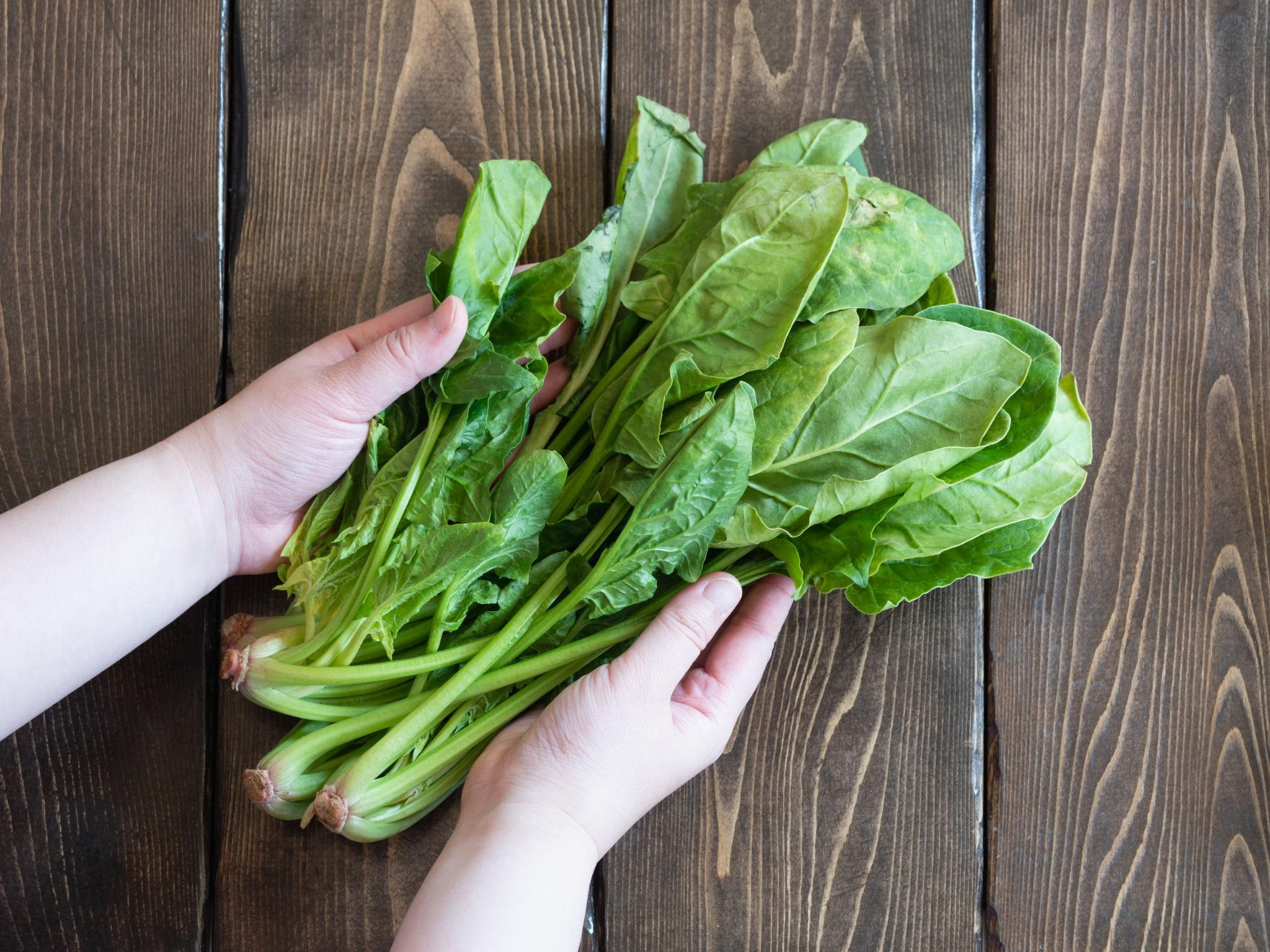
Spinach is one of the most popular iron-rich vegetables. It contains non-heme iron, folate, fiber, and antioxidants that help improve blood health.
Iron Content
Approximately 2.7 mg of iron per 100 grams.
Benefits
- Helps increase hemoglobin levels
- Improves blood circulation
- Supports healthy skin and hair
- Rich in vitamin C and folate
Best Way to Eat
- Spinach soup
- Smoothies
- Salads
- Cooked spinach curry
2. Beetroot
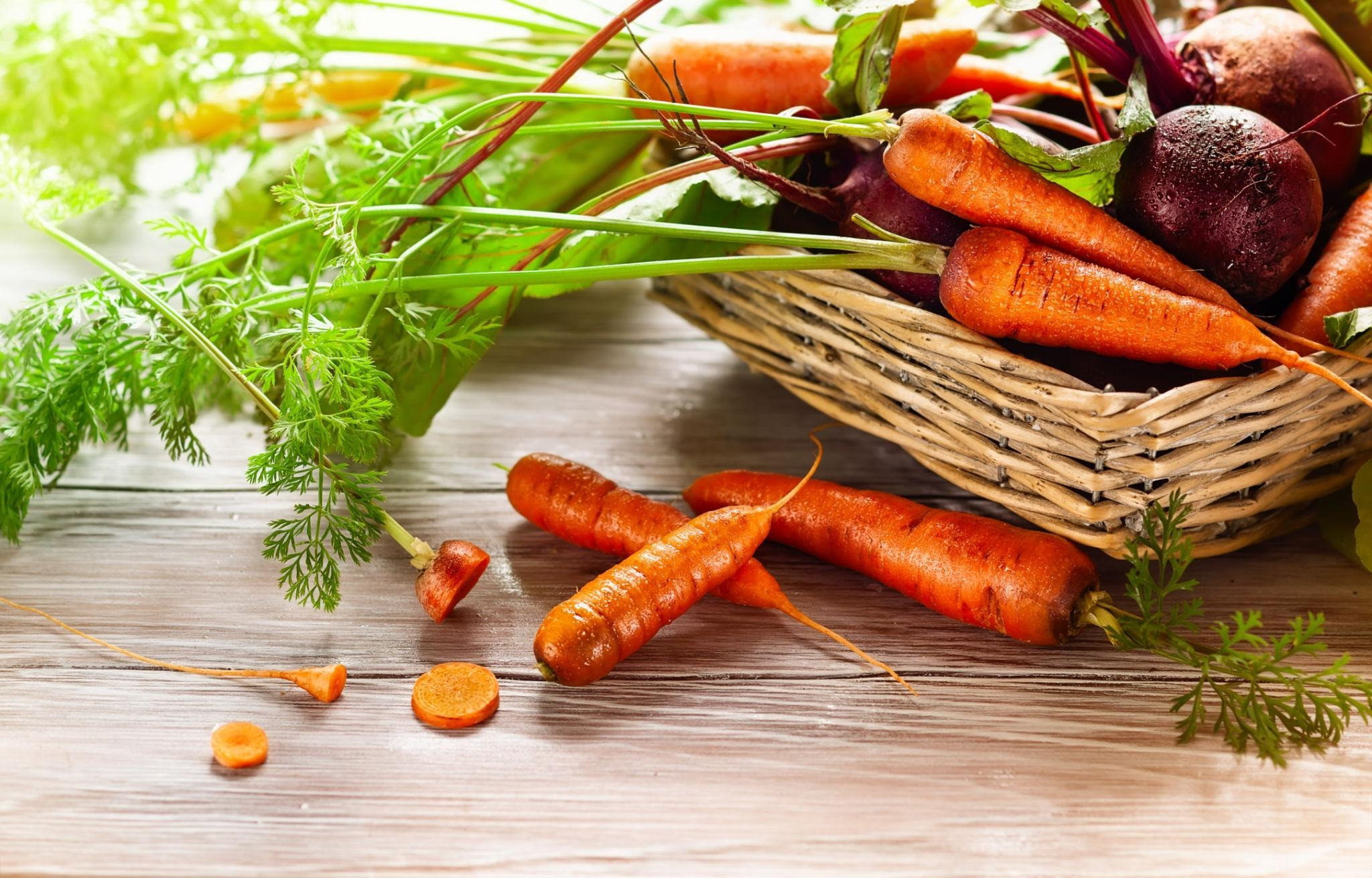
Beetroot is widely known for naturally boosting hemoglobin and purifying the blood. It is rich in iron, folic acid, and nitrates.
Benefits
- Improves oxygen flow
- Helps fight anemia
- Increases stamina
- Supports liver detoxification
Best Way to Eat
- Beetroot juice
- Salads
- Roasted beetroot
- Beetroot soup
3. Broccoli
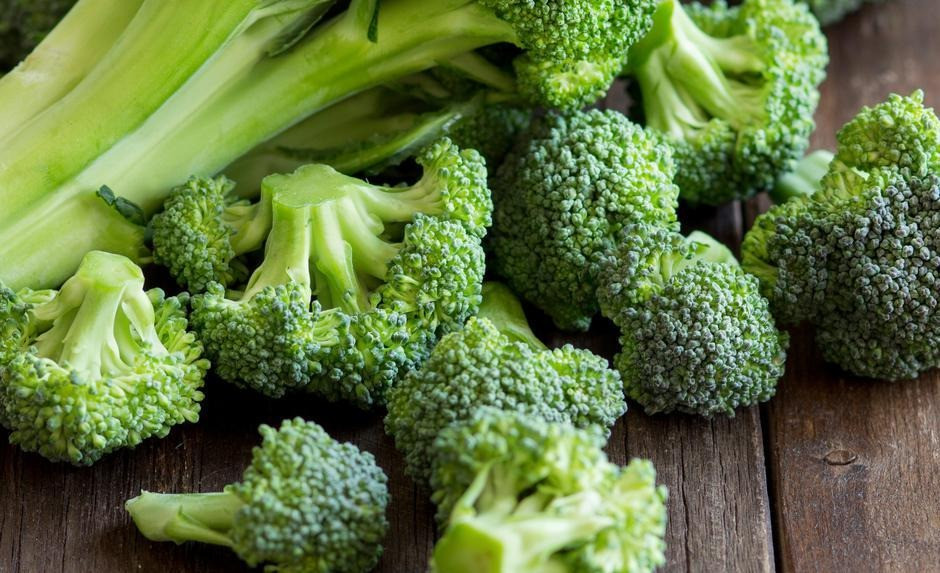
Broccoli is packed with iron, vitamin C, and folate. Vitamin C helps improve iron absorption in the body.
Benefits
- Boosts immunity
- Supports red blood cell production
- Improves digestion
- Helps maintain healthy hemoglobin levels
Best Way to Eat
- Stir-fried broccoli
- Soups
- Salads
- Steamed broccoli
4. Kale
Kale is a nutrient-dense leafy green vegetable rich in iron, calcium, and antioxidants.
Benefits
- Helps improve blood health
- Supports heart health
- Reduces inflammation
- Strengthens immunity
Best Way to Eat
- Kale smoothies
- Salads
- Soups
5. Green Peas
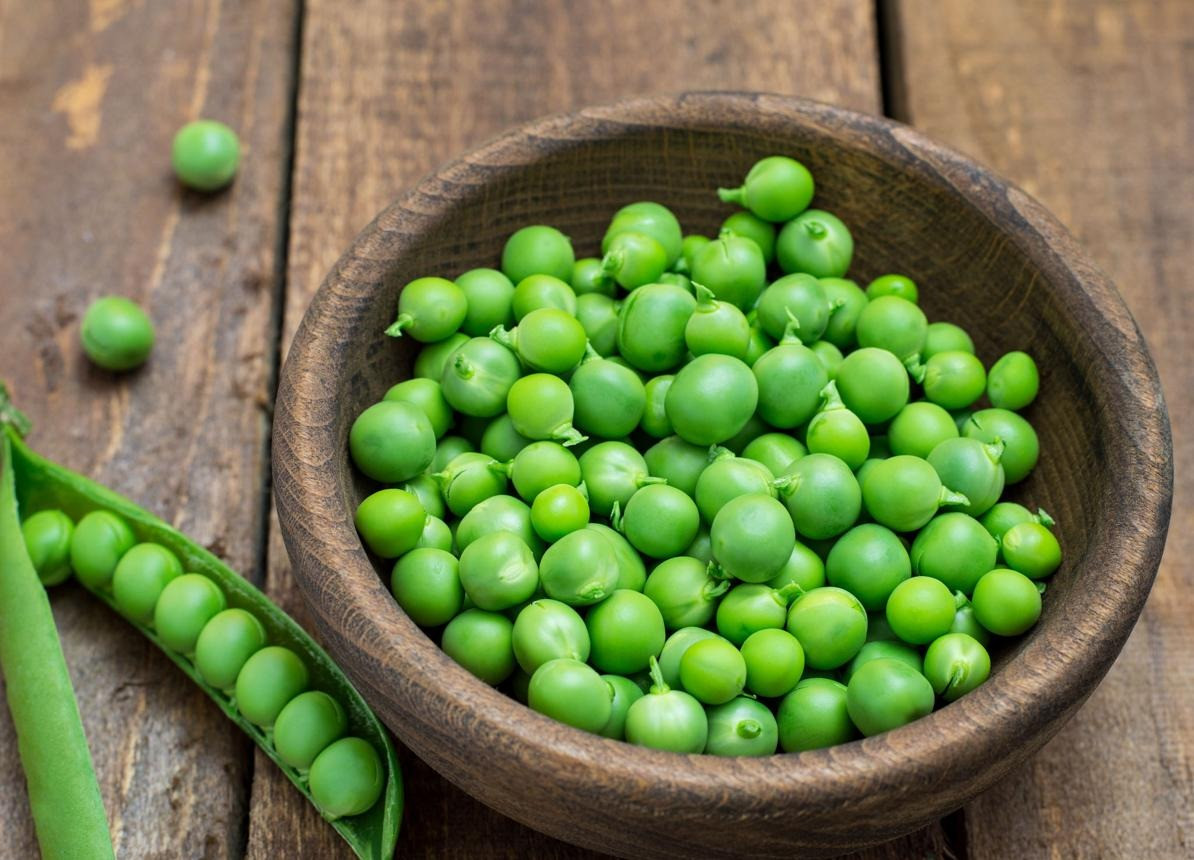
Green peas are an excellent vegetarian source of iron and plant-based protein.
Benefits
- Boosts energy naturally
- Helps maintain healthy blood cells
- Good for digestion
- Supports muscle health
Best Way to Eat
- Pea curry
- Soups
- Salads
- Rice dishes
6. Sweet Potatoes
Sweet potatoes are rich in iron, fiber, and beta-carotene.
Benefits
- Improves iron levels naturally
- Supports immunity
- Good for gut health
- Provides long-lasting energy
Best Way to Eat
- Boiled sweet potatoes
- Roasted snacks
- Sweet potato chaat
7. Mushroom
Mushrooms contain a decent amount of iron and several essential nutrients.
Benefits
- Helps improve hemoglobin
- Supports brain health
- Boosts immunity
- Rich in antioxidants
Best Way to Eat
- Mushroom curry
- Soups
- Stir-fry dishes
8. Potato with Skin
Potatoes, especially with skin, contain iron and potassium.
Benefits
- Supports healthy blood pressure
- Improves energy levels
- Helps maintain hemoglobin
Best Way to Eat
- Baked potatoes
Tips to Increase Iron Absorption Naturally
Eating iron-rich vegetables alone is not enough. Your body also needs to absorb iron properly.
1. Eat Vitamin C-Rich Foods
Pair iron-rich foods with:
- Lemon
- Orange
- Tomato
- Amla
- Bell peppers
Vitamin C improves iron absorption significantly.
2. Avoid Tea and Coffee After Meals
Tea and coffee can reduce iron absorption if consumed immediately after eating.
3. Include Iron-Rich Fruits and Nuts
You can also add:
- Dates
- Raisins
- Pomegranate
- Almonds
- Pumpkin seeds
4. Get Regular Health Checkups
If you frequently feel tired or weak, consider getting:
- Hemoglobin Test
- CBC Blood Test
- Iron Profile Test
- Vitamin B12 Test
These tests help identify iron deficiency early.
Best Diet Plan for Increasing Hemoglobin Naturally
Here’s a simple daily diet plan:
Morning
- Warm lemon water
- Beetroot or spinach juice
Breakfast
- Vegetable poha with peas
- Sprouts salad
Lunch
- Spinach dal
- Broccoli sabzi
- Whole wheat roti
Evening Snack
- Roasted sweet potato
- Dry fruits
Dinner
- Mushroom curry
- Kale salad
- Tomato soup
Who Is at Higher Risk of Iron Deficiency?
Iron deficiency is more common in:
- Women
- Pregnant women
- Children
- Vegetarians
- Senior citizens
- People with chronic illnesses
Regular blood tests and a balanced diet can help prevent complications.
When Should You See a Doctor?
Consult a healthcare professional if you experience:
- Severe fatigue
- Shortness of breath
- Very low energy
- Frequent dizziness
- Heavy hair fall
Doctors may suggest lab tests or iron supplements depending on your condition.
Final Thoughts
Maintaining healthy iron levels is essential for overall health, energy, and proper body functioning. Including these iron-rich vegetables in your daily diet can naturally help improve hemoglobin levels and reduce the risk of anemia.
Spinach, beetroot, broccoli, kale, green peas, and other vegetables mentioned above are not only nutritious but also easy to include in regular meals. Pair them with vitamin C-rich foods and maintain a healthy lifestyle for better iron absorption and long-term wellness.
If you frequently experience symptoms of low iron or low hemoglobin, consider booking a CBC Test, Hemoglobin Test, or Iron Profile Test for accurate diagnosis and timely treatment.
FAQs
1. Which vegetable is highest in iron?
Spinach is considered one of the best iron-rich vegetables. Other vegetables high in iron include beetroot, kale, broccoli, and green peas.
2. Can vegetables really increase hemoglobin levels?
Yes, iron-rich vegetables can help improve hemoglobin naturally when consumed regularly along with vitamin C-rich foods for better iron absorption.
3. Which vegetables are best for anemia?
Spinach, beetroot, broccoli, kale, and Swiss chard are among the best vegetables for anemia and low hemoglobin levels.
4. How long does it take to increase hemoglobin naturally?
With a healthy iron-rich diet and proper nutrition, hemoglobin levels may start improving within a few weeks. Severe deficiency may require medical treatment or supplements.
5. Is beetroot good for increasing iron levels?
Yes, beetroot is widely known for supporting healthy blood production and improving hemoglobin levels naturally.
6. What foods help absorb iron better?
Vitamin C-rich foods like lemon, oranges, tomatoes, amla, and bell peppers help improve iron absorption in the body.
7. Which fruits and vegetables are rich in iron?
Iron-rich fruits and vegetables include spinach, beetroot, broccoli, peas, dates, raisins, pomegranate, and tomatoes.
8. Can low iron cause fatigue and weakness?
Yes, iron deficiency can reduce oxygen supply in the body, leading to fatigue, weakness, dizziness, and low energy levels.
9. What tests are recommended for checking iron deficiency?
Doctors commonly recommend:
- Hemoglobin Test
- CBC Test
- Iron Profile Test
- Ferritin Test
- Vitamin B12 Test
10. Are vegetarian foods enough to maintain healthy iron levels?
Yes, a balanced vegetarian diet with iron-rich vegetables, fruits, nuts, and legumes can help maintain healthy iron levels naturally.
Need Help In Booking a Lab Test?
Share Your Details, We Will Call You Right Back!